PHOTOVOLTAIC INSPECTION
Photovoltaic Inspection
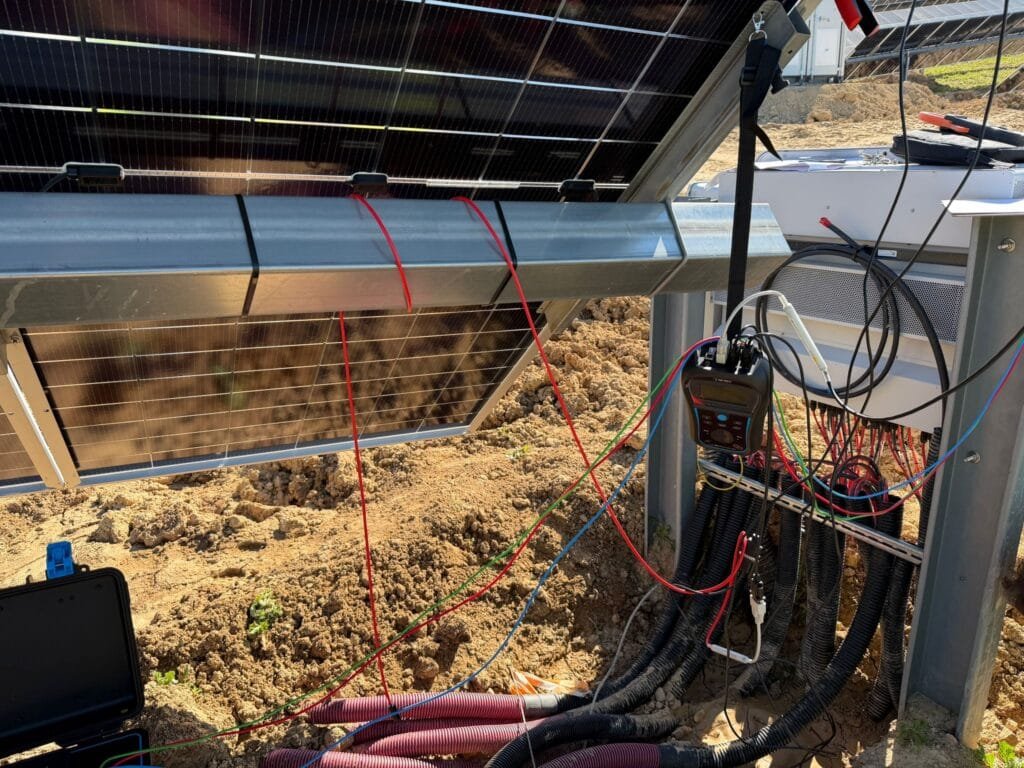
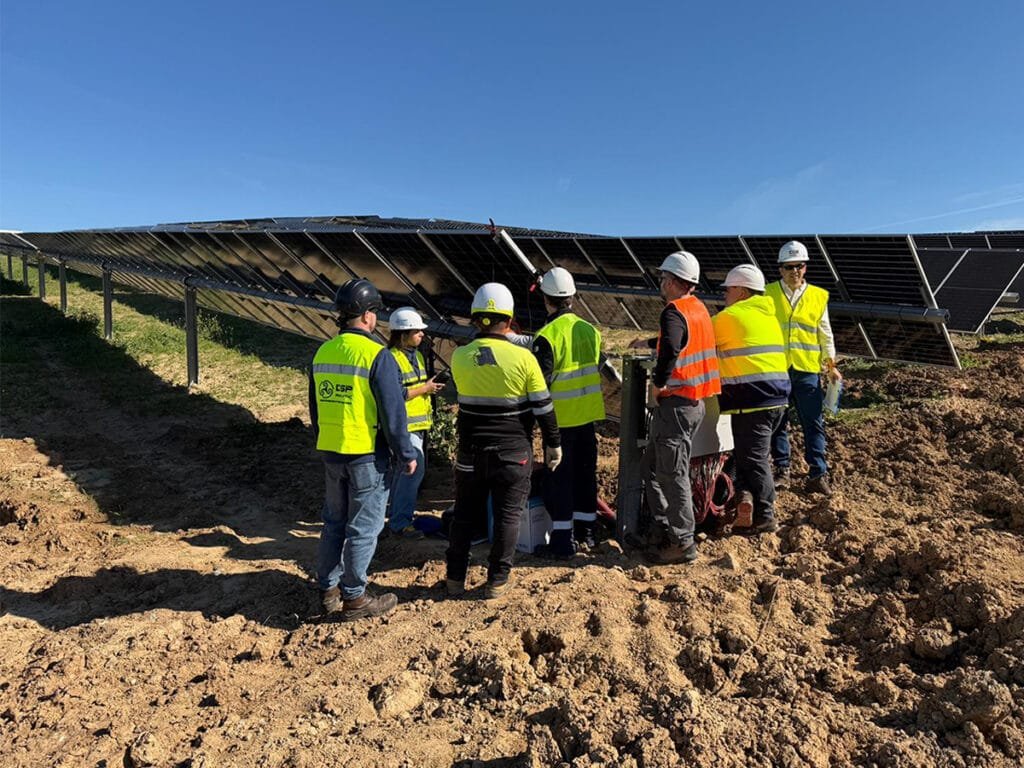
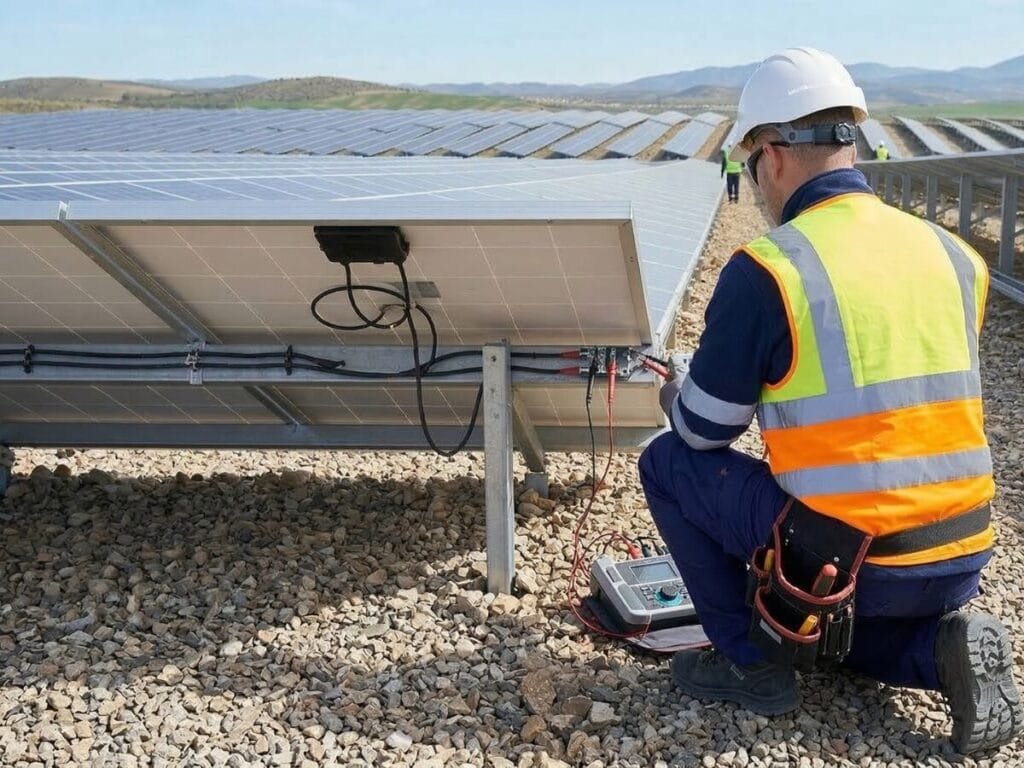
We perform electrical tests and functional checks to assess the condition and safety of a PV system at the module, string, string combiner box (SCB), and inverter levels, identifying degradation, insulation faults, faulty connections, and performance losses.
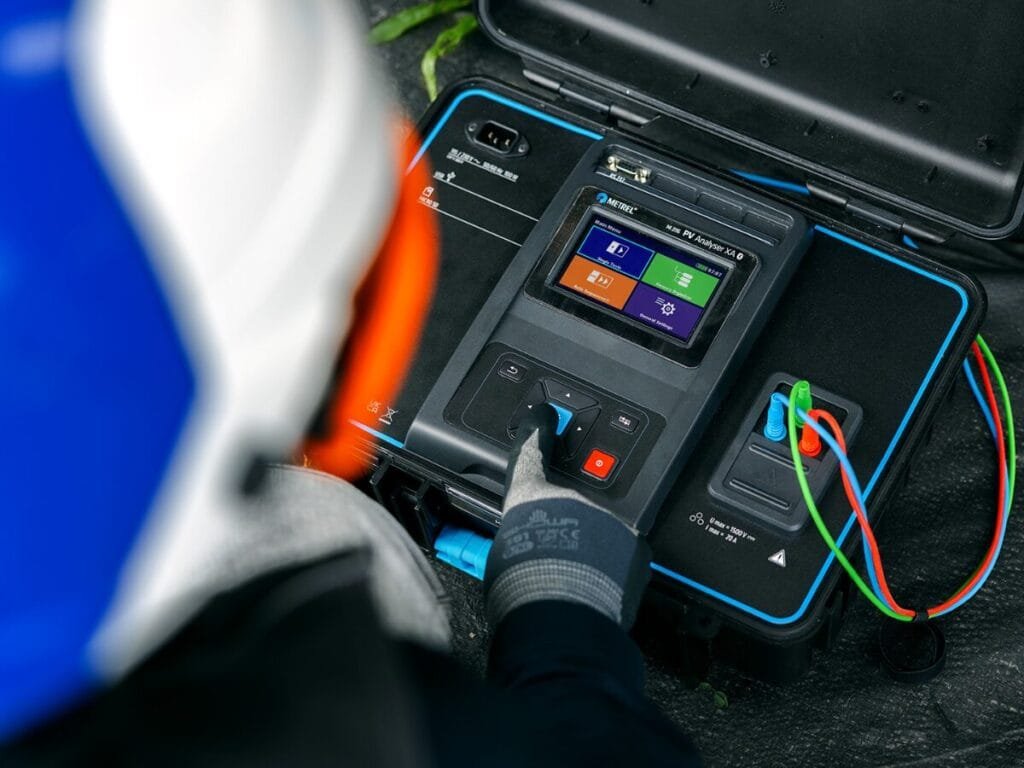
Insulation resistance testing (up to 1500 Vdc), protective conductor continuity, I-V curves, Voc/Isc verification, checks in string combiner boxes (fuses, disconnectors, SPD, connections), and inspections/measurements on inverters (protections, power quality, alarms, parameters, and events), with reporting and action prioritization.
Service Objectives
✅ Confirm the electrical safety of strings and equipment (insulation, grounding, protections).
✅ Detect production losses caused by degraded or unbalanced modules/strings
✅ Identify incipient faults (hotspots due to connections, moisture/corrosion, PID, diodes, microcracks, degraded SPDs).
✅ Reduce the risk of fire/electric arc and downtime caused by nuisance tripping.
✅ Verify technical compliance after O&M, plant expansions, repowering, or inverter/SCB replacement.
✅ Provide traceability: average values + OK/K.O, recommendations, and corrective action plan.
What Problems Do We Detect?
Low insulation resistance in strings (moisture, damage in cabling, connectors, boxes).
Ground leakage and “faulty” strings (location of the leaking module/string).
String imbalance (abnormal Isc/Voc; mismatch losses).
I-V curves with steps (affected bypass diodes, persistent partial shading, defective modules).
PID (potential-induced degradation) reflected in power drop and curve changes.
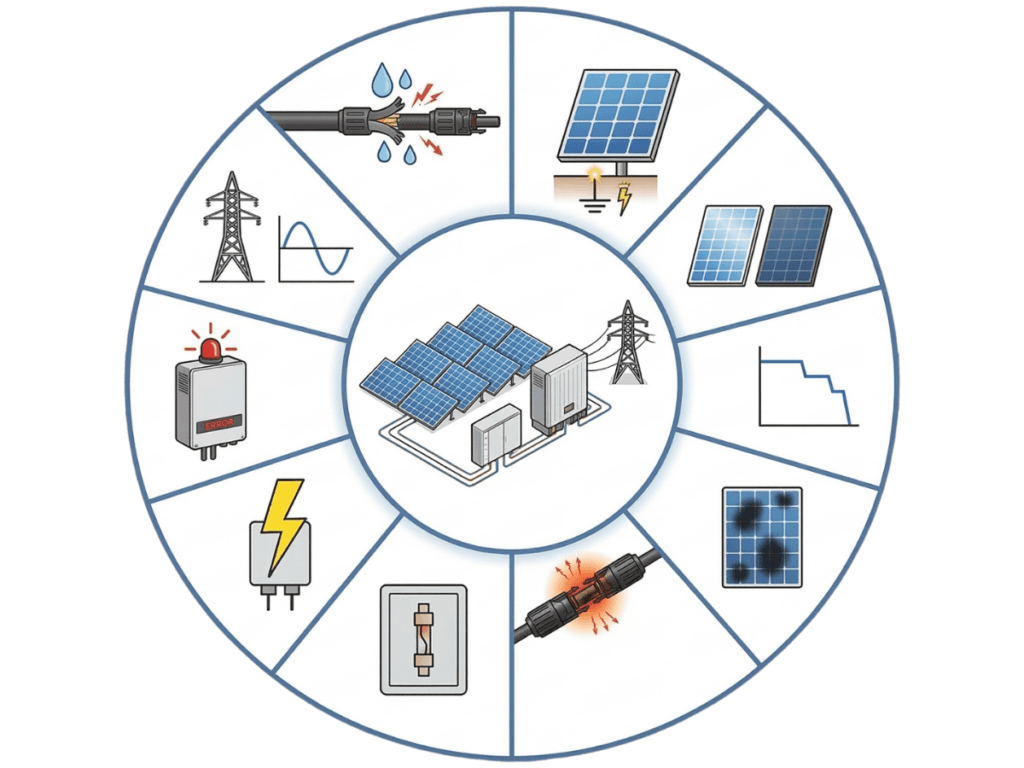
MC4 connectors/terminals with high contact resistance (overheating and arc risk).
Oversized, aged, or poor-contact fuses/disconnectors in string combiner boxes.
Degraded or disconnected SPD (surge protection devices), lack of protection coordination.
Inverters with recurrent trips, thermal derating, insulation alarms, MPPT faults.
Power quality issues (THD, imbalance, power factor, sags/overvoltages) that penalize performance or availability.
What Type of Plant/Equipment Is Suitable for This Service?
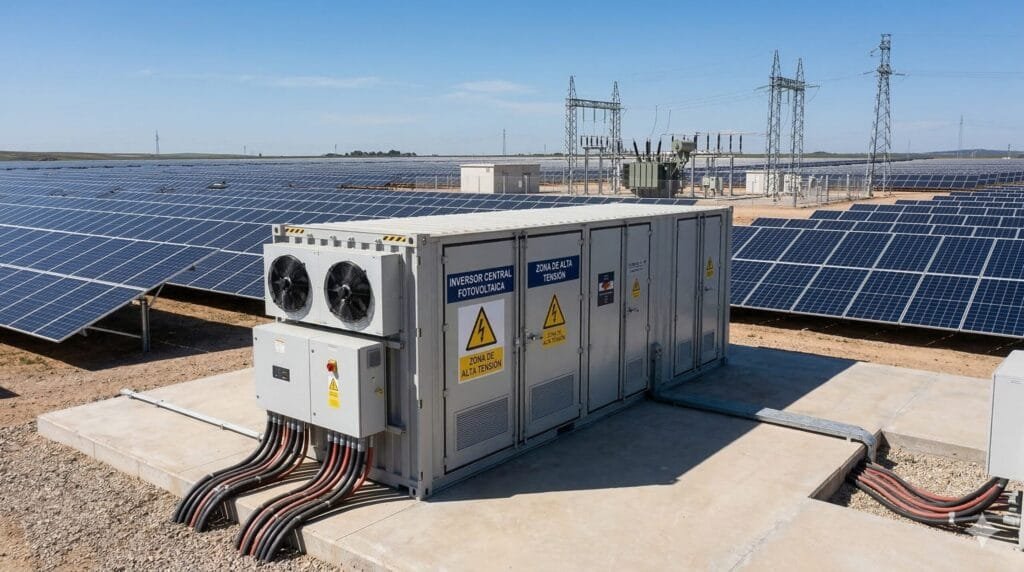
Utility-scale PV generation: strings at 1000/1500 Vdc, SCB, power stations, central or string inverters.
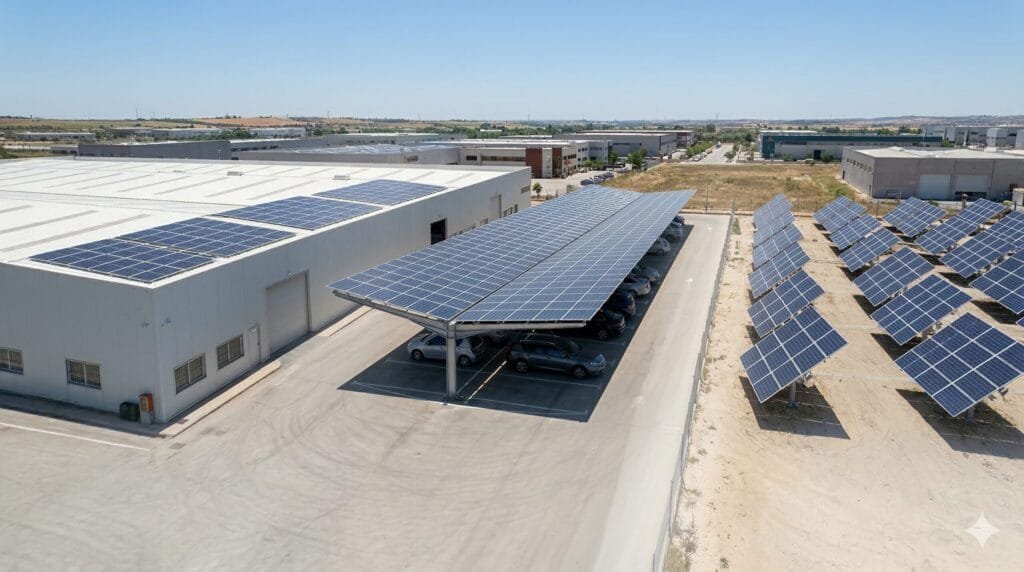
Industrial / commercial self-consumption: rooftops, carports, trackers; verification after expansions or incidents.
Associated electrical assets:
- PV modules (strings, bypass diodes, connectors)
- DC strings and cabling (feeders, connectors, junction boxes)
- SCB string combiner boxes: fuses, disconnectors, DC SPD, terminal blocks
- Inverters: MPPT, protections, monitoring, events, performance
- AC switchboards/transformer/protections: circuit breakers, residual current devices, AC SPD, busbars
- Grounding system and continuity of protective conductors
Case Study:
Learn how we approach photovoltaic inspection in real-world environments and the value it can add to the safety, availability, and production of your assets.
Frequently Asked Questions
Not always. Some verifications can be planned in windows (blocks, inverter by inverter), while others require de-energizing strings for safety. The plan is defined to minimize impact while complying with LOTO/electrical safety requirements.
Typically: at commissioning/acceptance, after events (storms, fires, flooding), and as annual/semiannual/quarterly preventive testing depending on criticality, failure history, environment (humidity/salinity/dust), and insurer/financing requirements.
It covers the entire PV electrical train. The value of the service increases precisely when module, string, string combiner box, protections, and inverter are reviewed in an integrated way, because many production losses are not in the panel itself but in connections, fuses, insulation, or MPPT inputs.
Single-line diagrams and drawings, list of inverters/strings, access to SCBs, and safety conditions (permits, LOTO, PPE). If SCADA/monitoring is available, access to events and data speeds up the location of losses and trips.
Industrial Sectors