
WIRELESS BALANCER
Wireless Balancer
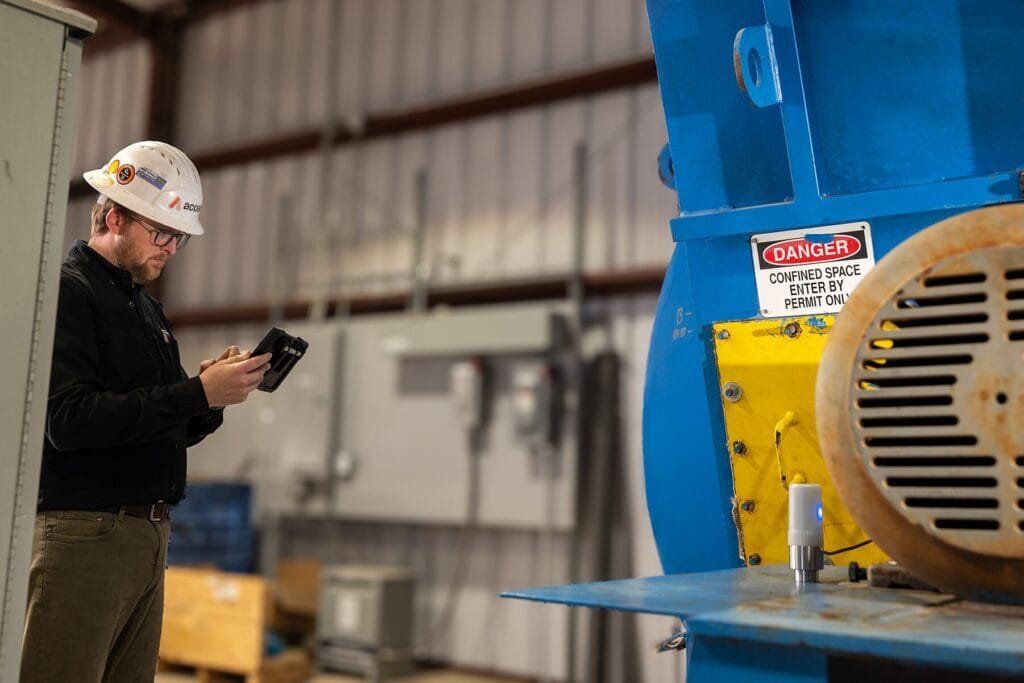
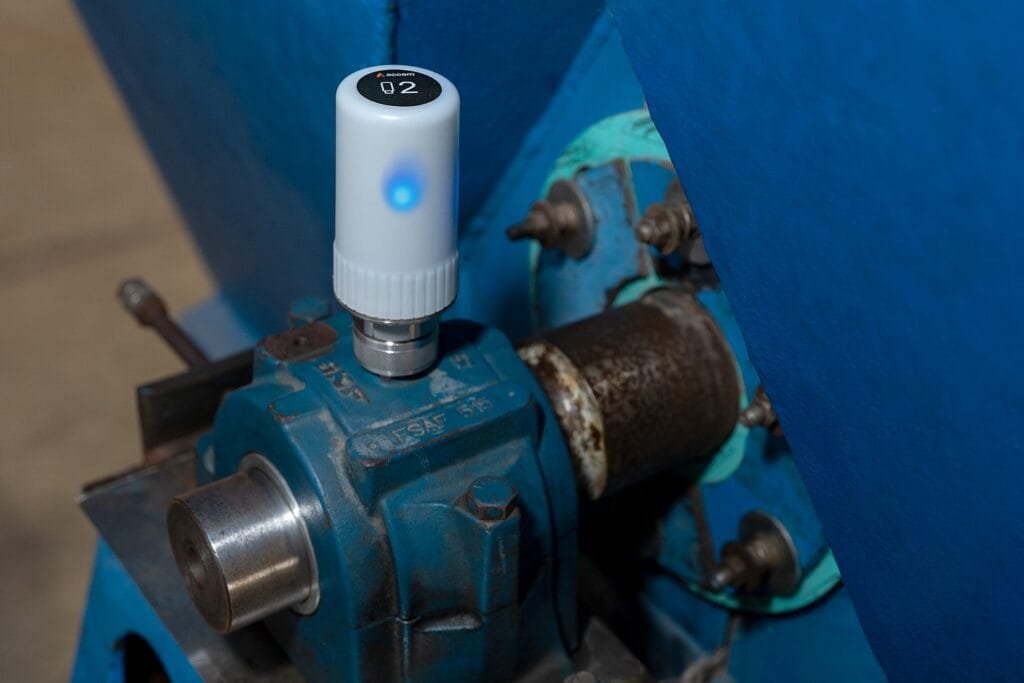
Acoem’s Wireless Balancer is a wireless solution for dynamic balancing of rigid rotors in 1 or 2 planes, designed for industrial rotating machinery.
Its main value proposition is to combine wireless synchronous measurement, step-by-step visual guidance, and portability in a single system, enabling balancing jobs to be completed with fewer shutdowns, lower exposure to risk near rotating parts, and greater process repeatability.
It is integrated into the Acoem app ecosystem and fits well within predictive maintenance and reliability environments such as those DSP Analytic deploys for vibration, alignment, and field services.
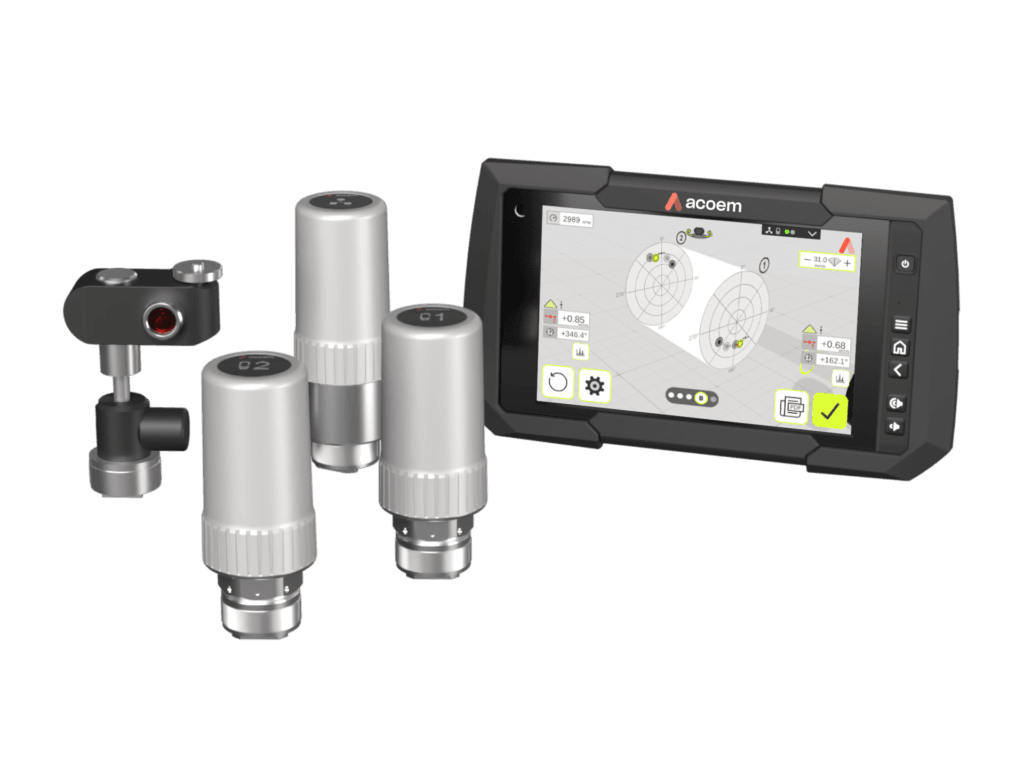
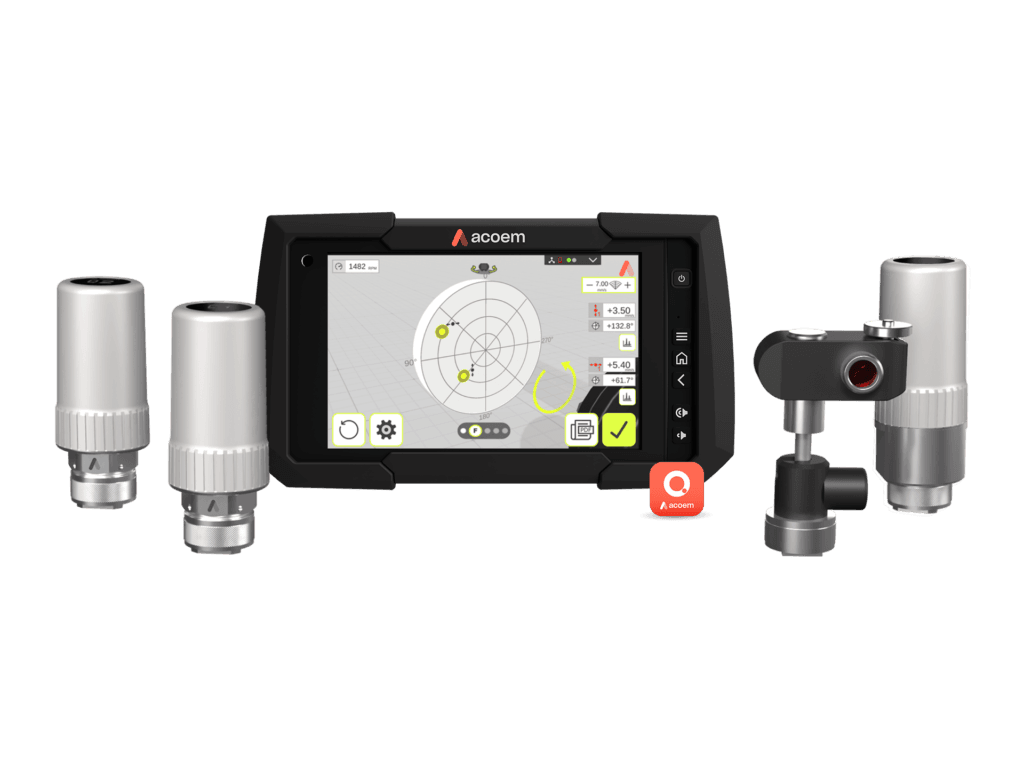
Performs wireless 1-plane and 2-plane balancing for rigid rotors.
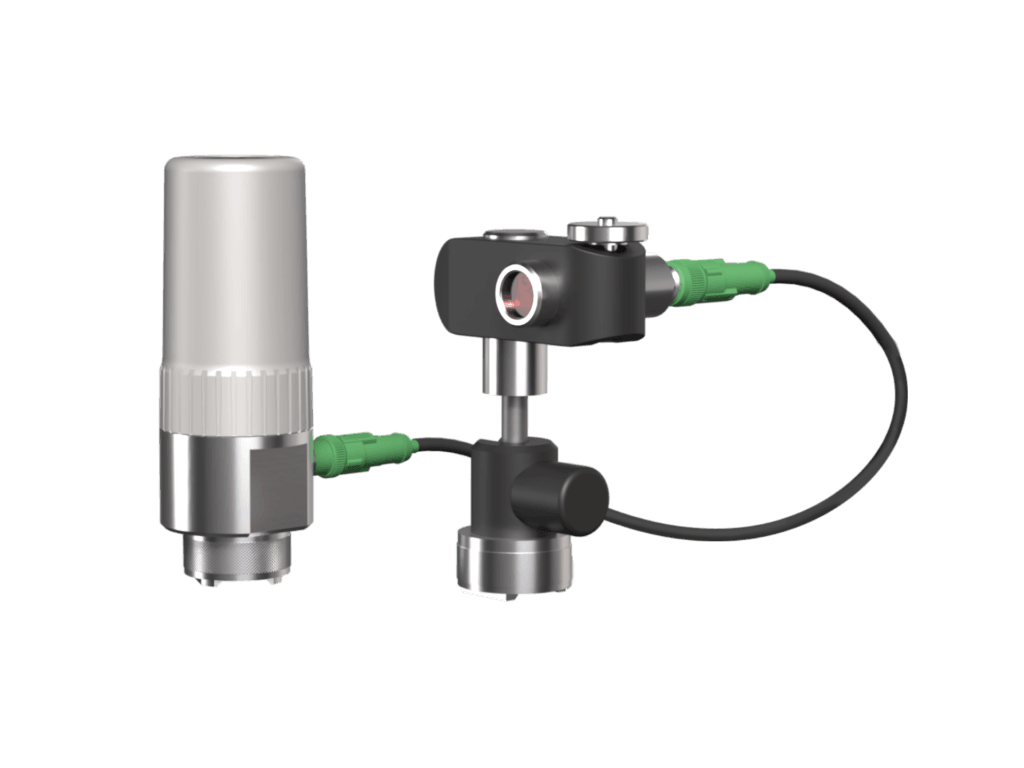
Captures synchronous measurements on 6 channels plus tachometer, using two triaxial sensors and a laser reference.
Provides visual guidance with GuideU™, 360° 3D view, and automatic assistants for trial weights, split weight, and correction calculation.
Allows balancing acceptance comparison according to ISO 21940 and vibration velocity according to ISO 20816-3.
Works with Android 6+ and iOS 12.1+, with the option of a validated tablet or Acoem display unit.
Integrates with diagnostic and spot check apps within the Acoem ecosystem, extending its use beyond balancing.
Ideal for:
Mechanical maintenance and predictive maintenance teams balancing fans, blowers, pumps, or rotor-motor assemblies in the plant.
Operations that prioritize safety and want to avoid cables near rotating parts.
Plants already using vibration analysis, alignment, or condition monitoring and looking for an integrated tool.
Not ideal for:
Applications outside the recommended range or where the rotor is not rigid.
Users who only need a tachometer or basic vibration measurement without guided balancing or 2-plane correction.
Benefits
Lower risk during balancing (greater field safety) — achieved by eliminating cables near rotating parts and allowing work to be performed at a safer distance from the machine.
Fewer balancing runs (time savings) — thanks to 6-channel synchronous measurement, automatic stability control, and assistants for trial weights and correction weights.
More consistent results (less human error) — through the GuideU™ interface with step-by-step guidance, 3D visualization, and angle/direction control.
Greater team adoption (fast learning curve) — because the visual workflow makes the process more accessible even for less experienced users.
Lower system operating cost (less accessory maintenance) — since it does not depend on balancing cables, tasks related to cleaning, replacement, and cable handling are reduced.
True portability for field work (higher productivity) — with a kit weighing less than 5 lb and autonomy for around 10 jobs per battery charge/change.
Better alignment with reliability strategies (greater traceability) — due to its integration with diagnostic applications, spot checks, and storage/reporting within the Acoem ecosystem.
Applications
Industrial fans and exhausters — when elevated vibration exists due to unbalance, the system enables synchronous measurement in 6 directions and correction in 1 or 2 planes with guided assistance; the expected result is lower vibration, less stress on bearings, and shorter intervention time.
Pumps, motors, and coupled assemblies — in equipment where access is difficult or cables add risk, the wireless architecture enables work to be carried out remotely and reduces mounting or acquisition errors; the result is safer and more repeatable field balancing.
Predictive maintenance programs in industry, energy, and process plants — by integrating with the Acoem ecosystem, it can complement vibration routes, spot checks, and diagnostics; the result is an intervention more connected to the plant reliability workflow and better traceability of the work performed.
What does it include?
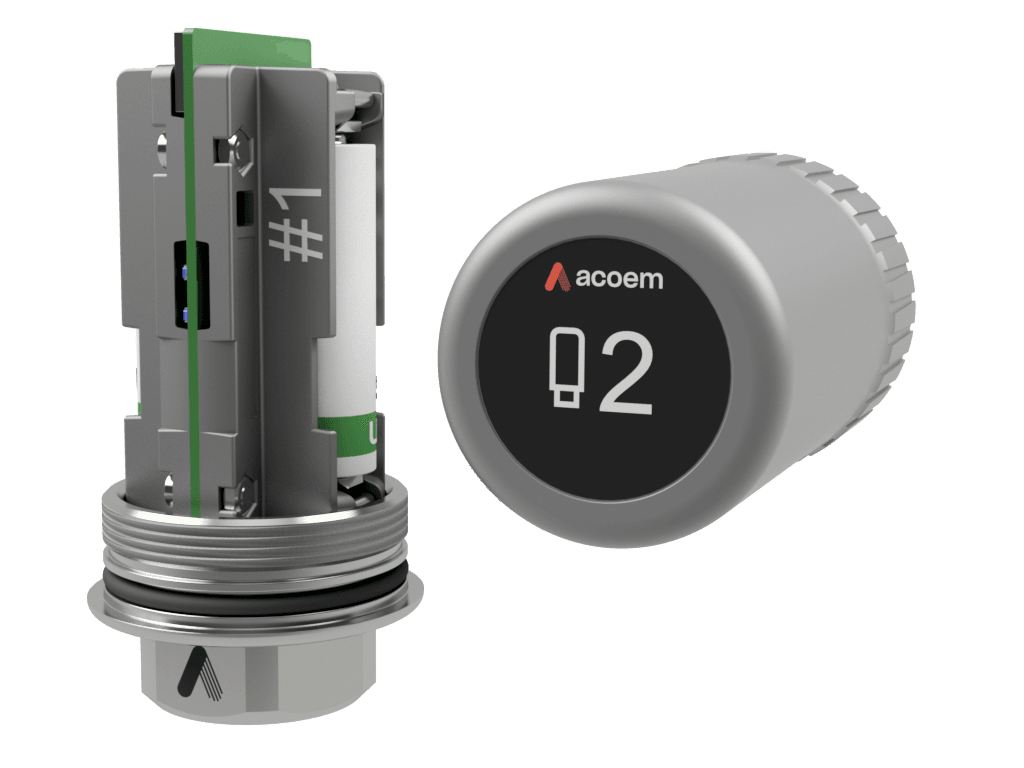
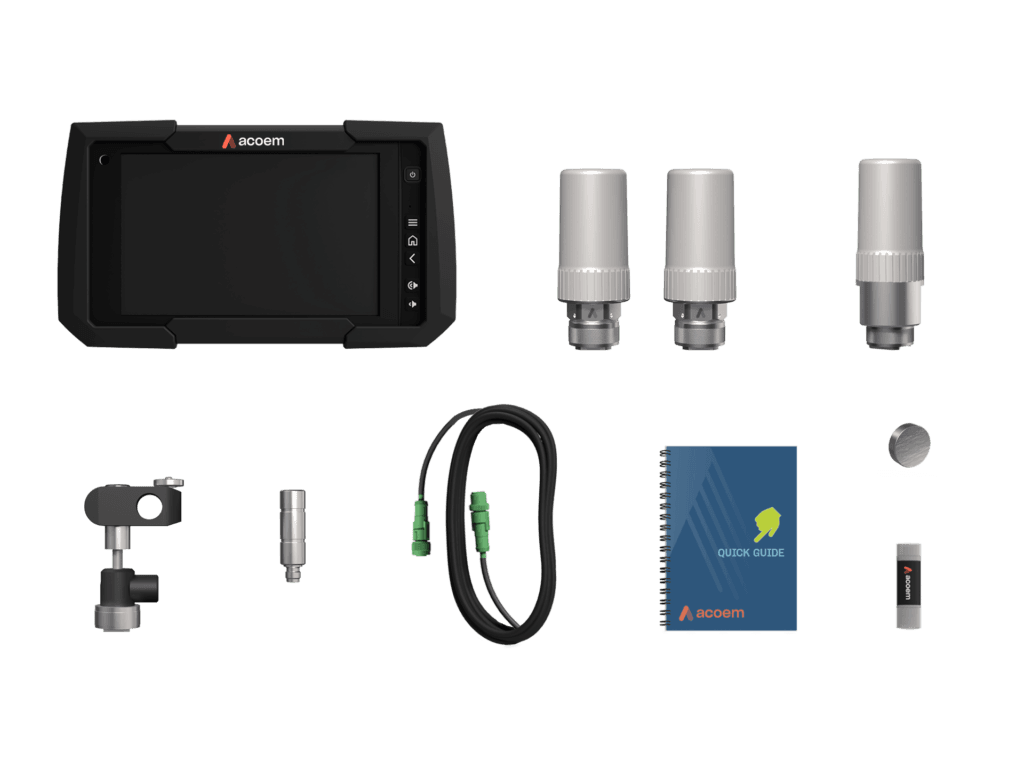
- Main equipment: 2 wireless accelerometers with magnets for curved surfaces.
- Main equipment: 1 Wireless WBS™ Timekeeper with flat magnet.
- Accessories: power-on magnet.
- Accessories: laser tachometer with M12 connector.
- Accessories: magnetic mount for laser tachometer.
- Accessories: reflective tape.
- Accessories: accessory box and USB memory drive type A and C.
- Consumables/power: 6 rechargeable Li-Ion AA 3.7 V batteries.
- Documentation: safety instructions and quick guide.
- Certificates/calibration: printed calibration certificate.
Technical information
Download the technical datasheet and brochure for the Wireless Balancer, a wireless dynamic balancing instrument for rigid rotors in 1 and 2 planes, with 6 synchronous channels and visual guidance.
Frequently Asked Questions
The manufacturer states 0.5° angular accuracy at 3000 RPM and recommends its use in applications up to 6000 RPM. It is intended for rigid rotors in 1 or 2 planes.
Its advantage is that it eliminates maintenance associated with balancing cables. Even so, it requires battery management, verification of the condition of magnets/accessories, and calibration control according to the maintenance policy.
Yes, the kit includes a printed calibration certificate.
Yes, at the operational level with Android/iOS and PDF reports. In addition, it is part of the Acoem ecosystem together with diagnostic and alignment apps. For integration with CMMS, SCADA, ERP, or LIMS, the available document workflow or interface must be validated.
It operates between -20 °C and +60 °C, with humidity <<95% RH non-condensing, IP67 protection, and BLE 5.0 communication. It uses replaceable/rechargeable 3.7 V AA batteries.
It is suitable for plants with rotating assets where frequent balancing consumes time or involves cable-related risk. It is not the best purchase if the need is only for spot vibration measurement or if the applications fall outside the recommended use for rigid rotors.
It can contribute, because unbalance is a common cause of vibration and wear. The equipment facilitates faster and more guided corrections; the actual reduction in downtime will depend on machine condition, problem severity, and maintenance program discipline. This is a reasonable inference based on the product’s function and the impact of unbalance described by the manufacturer.