OIL ANALYSIS
Oil Analysis
Oil analysis is a predictive maintenance service based on tribology: it studies the condition of the lubricant, the level of contamination, and wear particles to anticipate failures in lubricated equipment.
It makes it possible to assess both the “health” of the oil and the condition of the asset itself, because the lubricant acts as a representative sample of what is happening inside the machine.
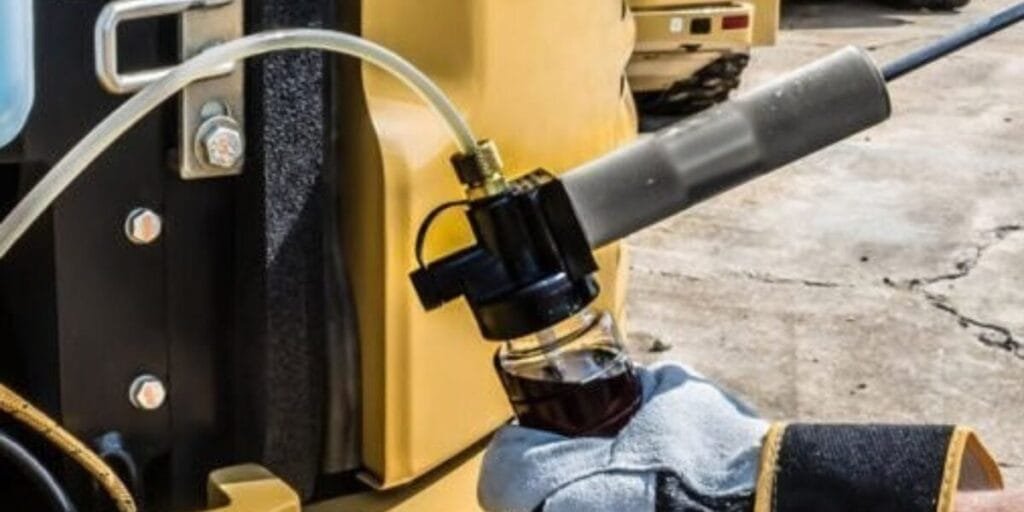
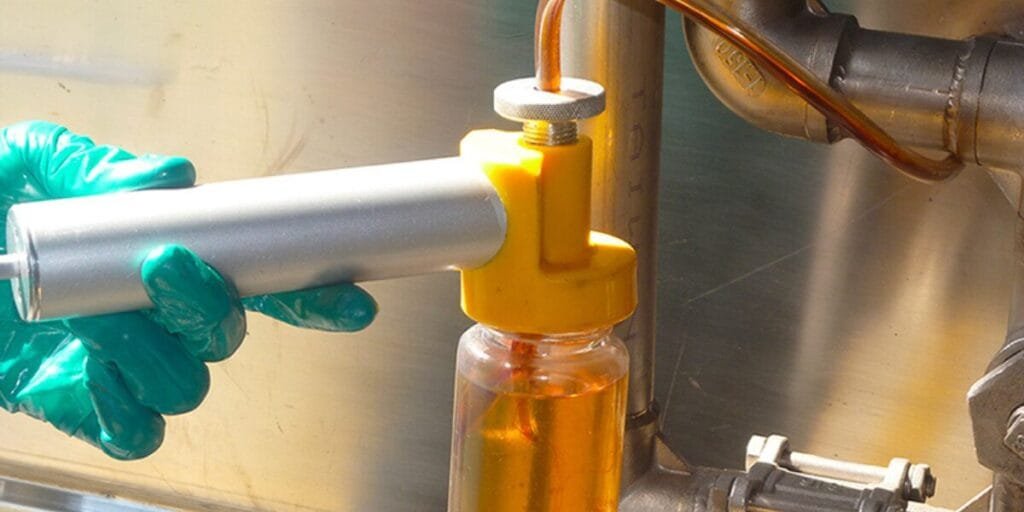
We perform the definition of sampling points, sample collection under controlled conditions, laboratory and/or on-site analysis, trend interpretation, diagnosis, and action recommendations.
Service Objectives
✅ Detect internal wear before it develops into a functional failure or unplanned shutdown.
✅ Identify contamination by water, solid particles, fuel, glycol, soot, or other agents that degrade the system.
✅ Verify whether the lubricant maintains its physicochemical properties within acceptable limits to remain in service.
✅ Optimize oil and filter change intervals based on actual condition, not just by calendar.
✅ Reduce the risk of damage to bearings, gears, servovalves, journal bearings, and hydraulic systems.
✅ Improve maintenance decision-making with objective, traceable, and trend-comparable data.
What Problems Do We Detect?
Abnormal wear in bearings, bushings, and journal bearings.
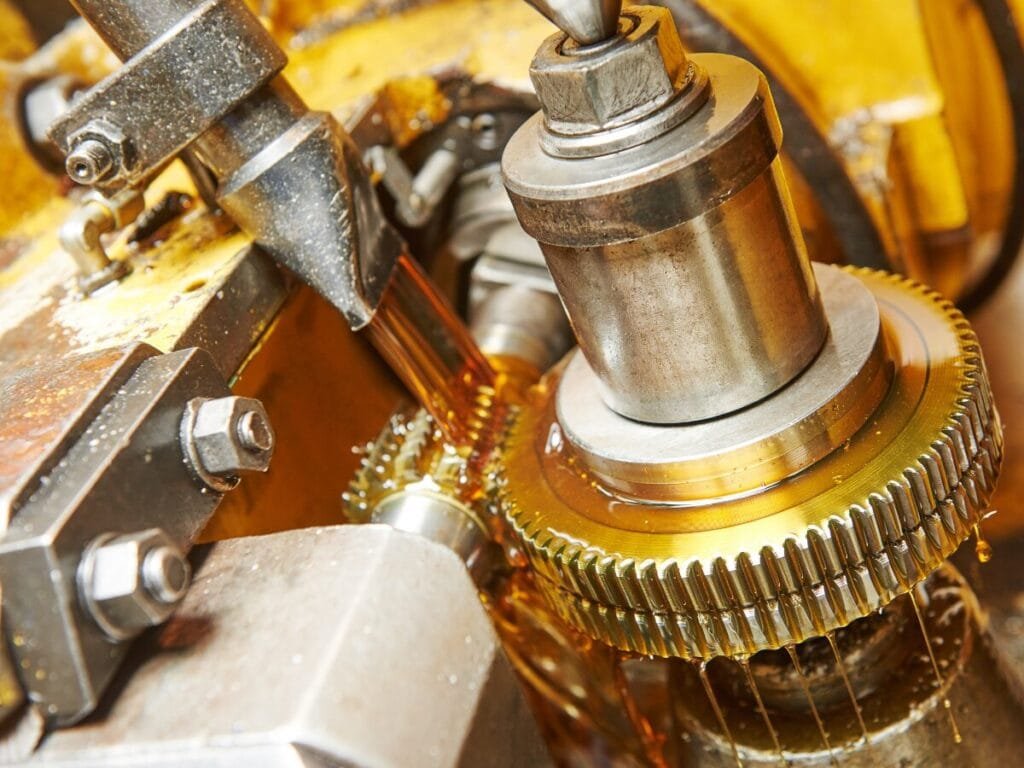
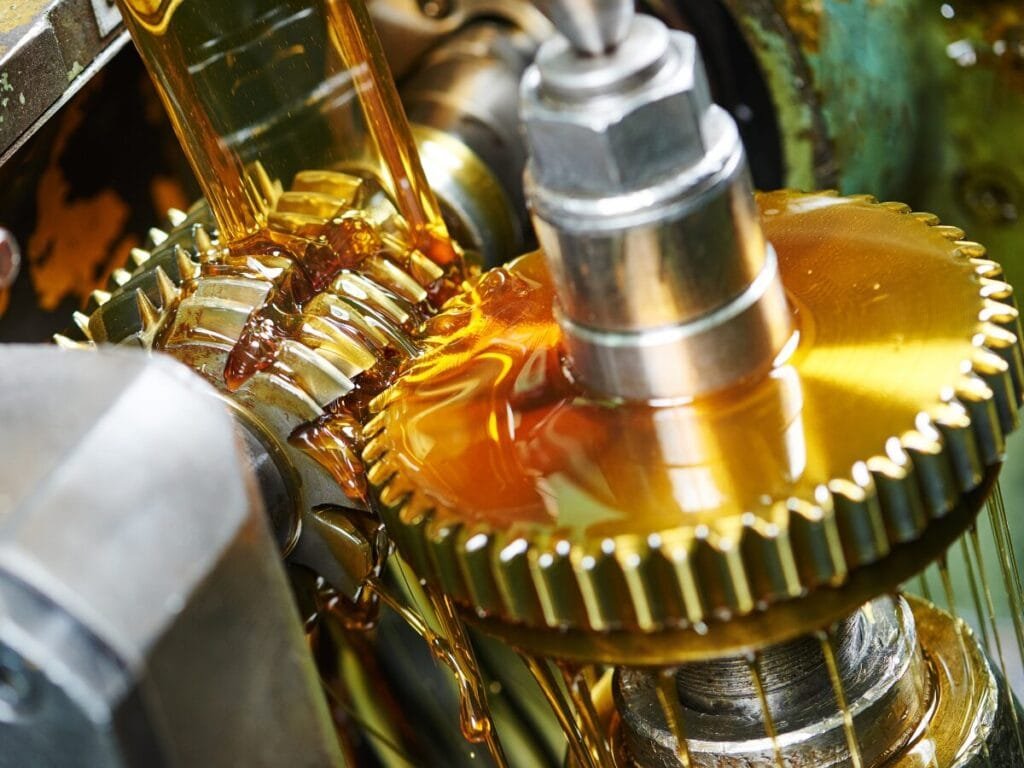
Gear wear due to surface fatigue, micropitting, or poor lubrication.
Presence of metallic particles associated with friction, abrasion, or fatigue.
Contamination by free or dissolved water, with risk of oxidation, cavitation, or loss of lubricant film.
Contamination by solid particles in hydraulic and lubrication circuits.
Oxidation, nitration, or thermal degradation of the oil.
Viscosity loss or variation out of specification due to mixing, shear, or aging.
Evidence of mixing incompatible fluids or cross-contamination between lubricants.
Filtration, breathing, or sealing problems that accelerate lubricant deterioration.
Deficient lubrication conditions: over-greasing, under-lubrication, or unsuitable oil/grease selection for the service.
What Type of Plant/Equipment Is Suitable for This Service?
Rotating equipment: pumps, fans, compressors, gear reducers, agitators, blowers, mills, extruders, conveyors with gearboxes, steam and gas turbines.
Hydraulic systems: hydraulic power units, presses, injection molding machines, servoactuators, lubrication and power units, circuits with proportional valves or servovalves.
Power generation: turbines, wind turbine gearboxes, auxiliary lubrication systems, diesel generator sets, equipment using insulating oil in specific electrical applications.
Mobile and heavy machinery: loaders, excavators, mining trucks, port machinery, forestry equipment, and auxiliary units.

Industrial process: process compressors, gearboxes in production lines, mixers, dryers, calenders, and equipment used in paper, cement, mining, metallurgy, water, and energy industries.
Utilities and plant auxiliaries: hydraulic units, service water pumps, cooling towers with gear reducers, vacuum systems, and air compressors.
Case Study:
Explore a real-world case study of oil analysis in an industrial setting and the value it brings in terms of operational continuity, maintenance optimization, and decision-making.
Frequently Asked Questions
Normally not. Sampling is usually carried out with the equipment in service or just after operation, following a safe and representative procedure.
It enables decisions based on actual condition. This makes it possible to detect whether the oil is still fit for service, whether it is contaminated, or whether the equipment is generating internal wear before a visible failure appears.
It depends on criticality, oil volume, service severity, and the consequences of failure. For critical assets it may be monthly or even more frequent; for others, quarterly or semi-annually.
No; it works best as a complementary technique. Vibration analysis “listens” to machine dynamics, thermography reveals thermal anomalies, and oil analysis shows what is happening inside the lubricated contact.
It does not always imply an imminent failure. The correct approach is to interpret the deviation in context: historical trend, type of contaminant, asset severity, and correlation with other techniques. From there, it is defined whether it is advisable to re-sample, filter, change the oil, inspect, or schedule an intervention.
At minimum, it is necessary to identify critical assets, define safe sampling points, and have a reference for the lubricant in use. From there, the service can be implemented progressively, starting with the equipment that has the greatest impact on production, safety, or failure cost.
Industrial Sectors