LASER ALIGNMENT
Laser Alignment
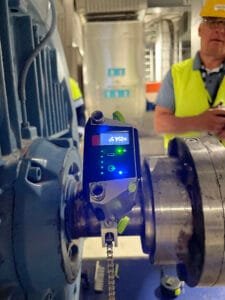
Laser alignment of shafts and pulleys is a precision maintenance service aimed at correcting geometric deviations between coupled machines or belt-driven transmissions.
Its purpose is to ensure that the rotational axis, the machine’s relative position, and the drive system operate within proper technical tolerances, reducing unnecessary loads on bearings, couplings, belts, pulleys, seals, and foundations.
Our alignment service is applied to equipment such as motors, pumps, compressors, fans, gearboxes, and turbomachinery.
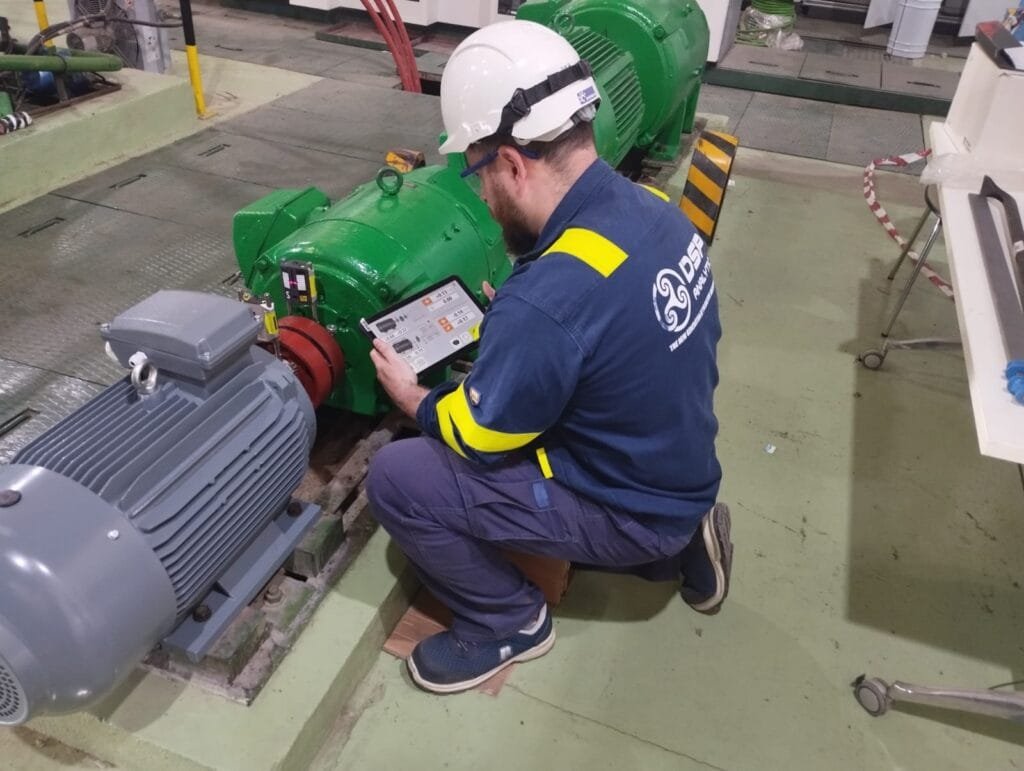
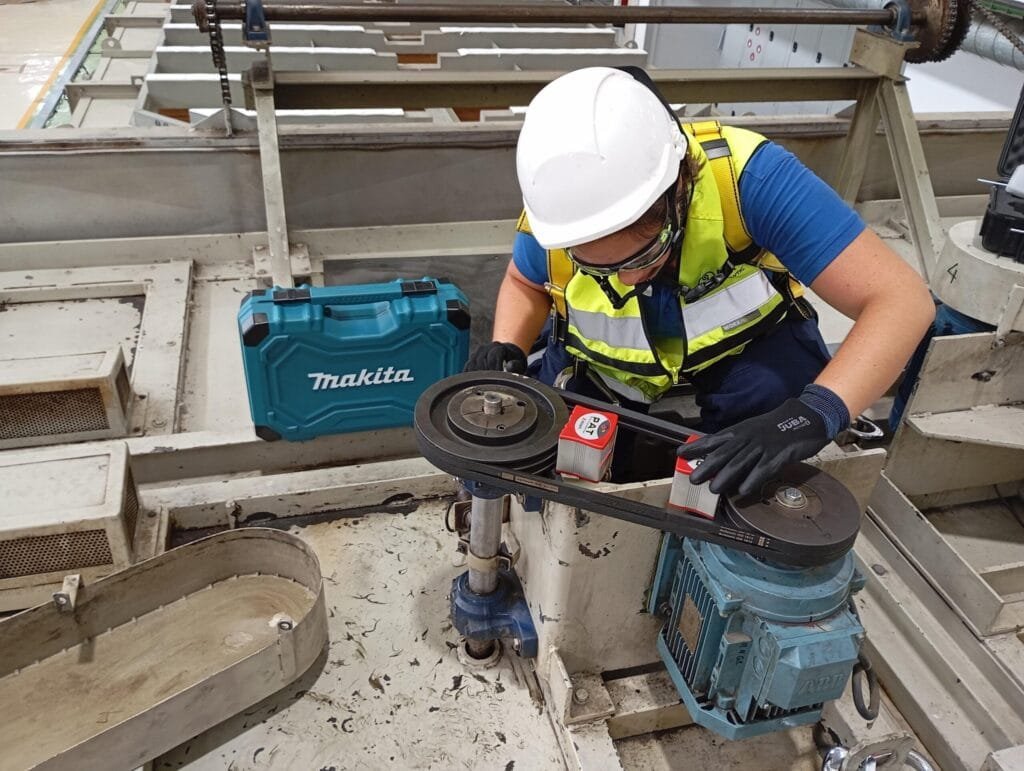
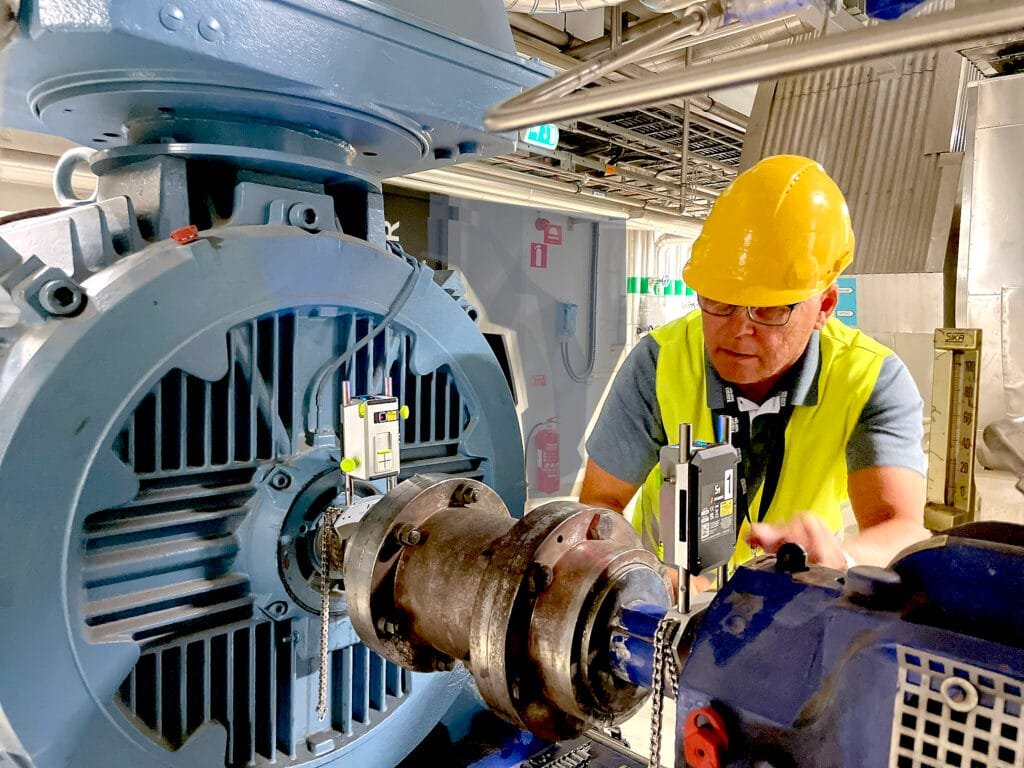
Service Objectives
✅ Reduce vibration and parasitic loads caused by misalignment in rotating trains and belt drives.
✅ Decrease premature wear of bearings, couplings, seals, pulleys, and belts.
✅ Improve mechanical efficiency and reduce energy losses due to friction or forced operation of the drive system.
✅ Minimize unplanned shutdowns and increase the availability of critical equipment.
✅ Verify machine mounting condition after intervention, motor replacement, bearing replacement, or baseframe refurbishment.
✅ Provide technical traceability through a report including tolerances, corrections performed, and reliability recommendations.
What Problems Do We Detect?
Angular and/or parallel misalignment between coupled shafts.
Pulley misalignment due to lack of coplanarity or parallelism.
Soft foot (non-uniform machine support on the base).
Baseframe distortion or relaxed base after tightening.
Displacement caused by thermal growth between cold and hot operating conditions.
Accelerated wear of belts, pulley grooves, and elastomeric couplings.
Overload on bearings and mechanical seals.
High vibration at 1X or patterns consistent with mechanical misalignment.
Abnormal temperatures at supports, couplings, or the drive system.
Higher-than-expected energy consumption and reduced service life of the drive train.
What Type of Plant/Equipment Is Suitable for This Service?
Direct-coupled rotating equipment: motor-pump sets, motor-fan sets, motor-compressor sets, motor-gearbox sets, motor-driven pump groups, extractors, exhaust fans, blowers, and trains with flexible or rigid couplings.
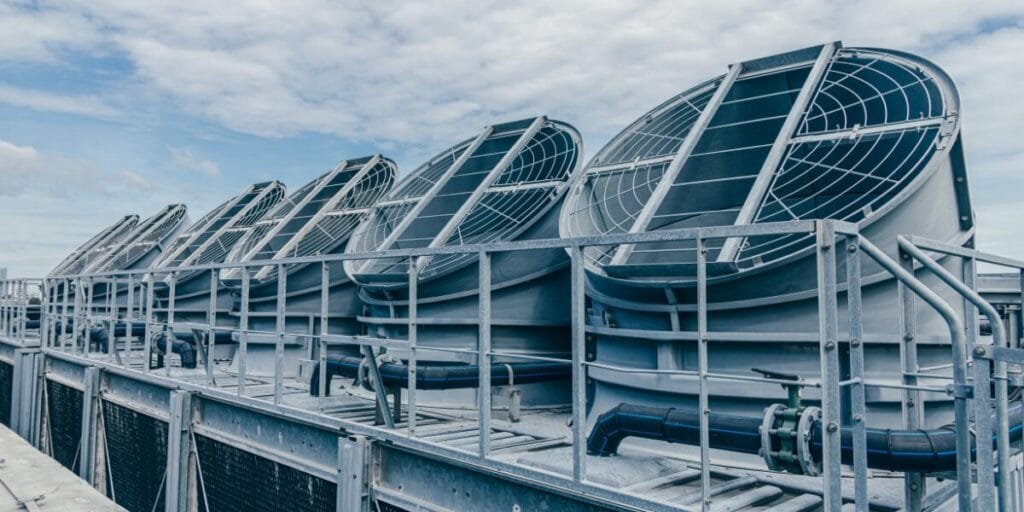
Belt and pulley driven equipment: process fans, industrial HVAC systems, cooling towers, auxiliary pumps, service compressors, and multi-groove drives.
Critical process machinery: turbomachinery, generators, utility pumping trains, paper machines, and equipment in mining, cement, water, desalination, power generation, and Oil & Gas.
Post-intervention machinery: newly installed equipment, replaced motors, units with changed bearings, rebuilt bases, or equipment affected by vibration, mechanical impact, or foundation settlement.

Special environments: vertical equipment, lines with base/bolt restrictions, assets requiring thermal growth compensation, and ATEX-classified areas when suitable instrumentation is used.

Case Study:
Discover how laser alignment helps improve equipment reliability, reduce incidents and optimize maintenance in industrial environments.
Frequently Asked Questions
Yes. The correction requires the equipment to be shut down and locked out/tagged out. Even so, it is usually scheduled within short maintenance windows, and the intervention time is normally much lower than the cost of continuing to operate with misalignment.
They are different problems. In shafts, the goal is the correct geometric relationship between coupled machines; in pulleys, the goal is coplanarity, parallelism, and proper belt tension. Many failures involve both conditions.
It depends on criticality, operating hours, and base stability. As a practical rule, it is advisable to check it after installation, motor or gearbox replacement, bearing replacement, abnormal vibration, baseframe work, or whenever repeated belt or coupling wear appears.
No. They complement each other. Alignment corrects a specific mechanical cause; vibration analysis helps confirm the asset’s dynamic condition and detect whether, in addition to misalignment, other failure modes are present.
Tolerance should not be set “by eye” or assumed to be the same for all assets. It is defined according to rotational speed (rpm), coupling type, distance between supports, equipment criticality, thermal conditions, and manufacturer recommendations. In high-speed or high-criticality equipment, tolerance windows are more demanding. It is also advisable to distinguish between cold and hot condition, since thermal expansion can modify actual alignment during operation.
Several factors can do so: soft foot, a deformed base, irregular bolt tightening, a damaged coupling, hub runout, a bent shaft, uncompensated thermal growth, and pipe strain in pumps or compressors. For that reason, reliable alignment does not consist only of “reading the laser,” but of first controlling the mechanical installation conditions and verifying that the final position remains stable after tightening and under operating conditions.
Industrial Sectors