
MCA ELECTRICAL ANALYSIS
MCA Electrical Analysis
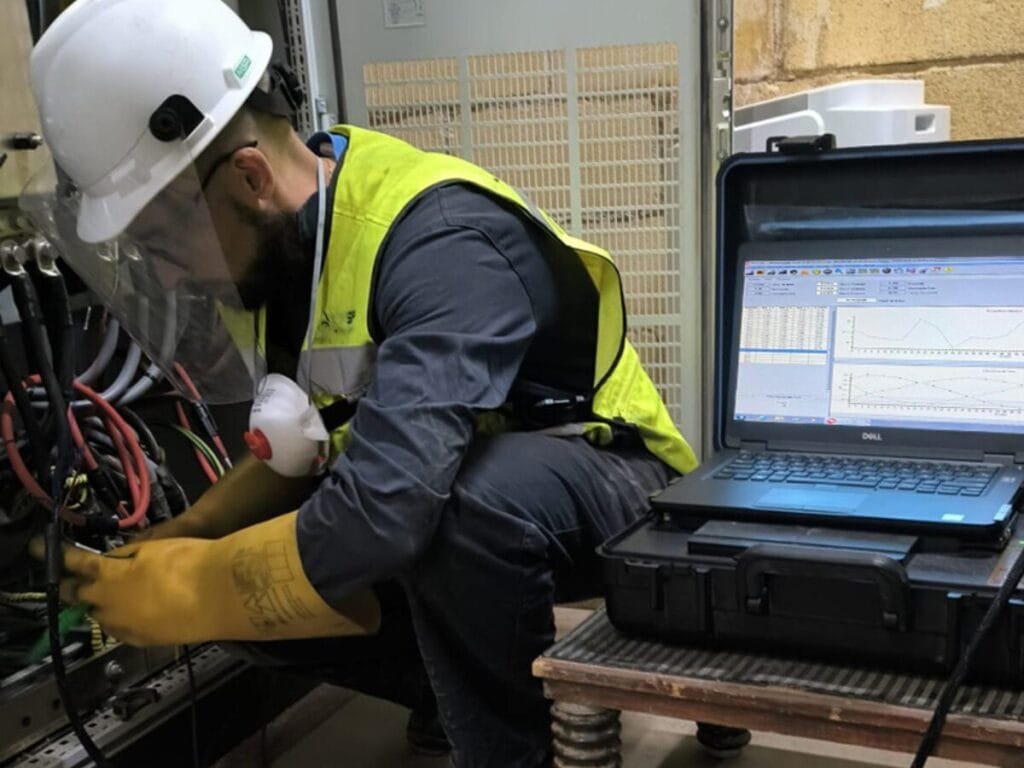
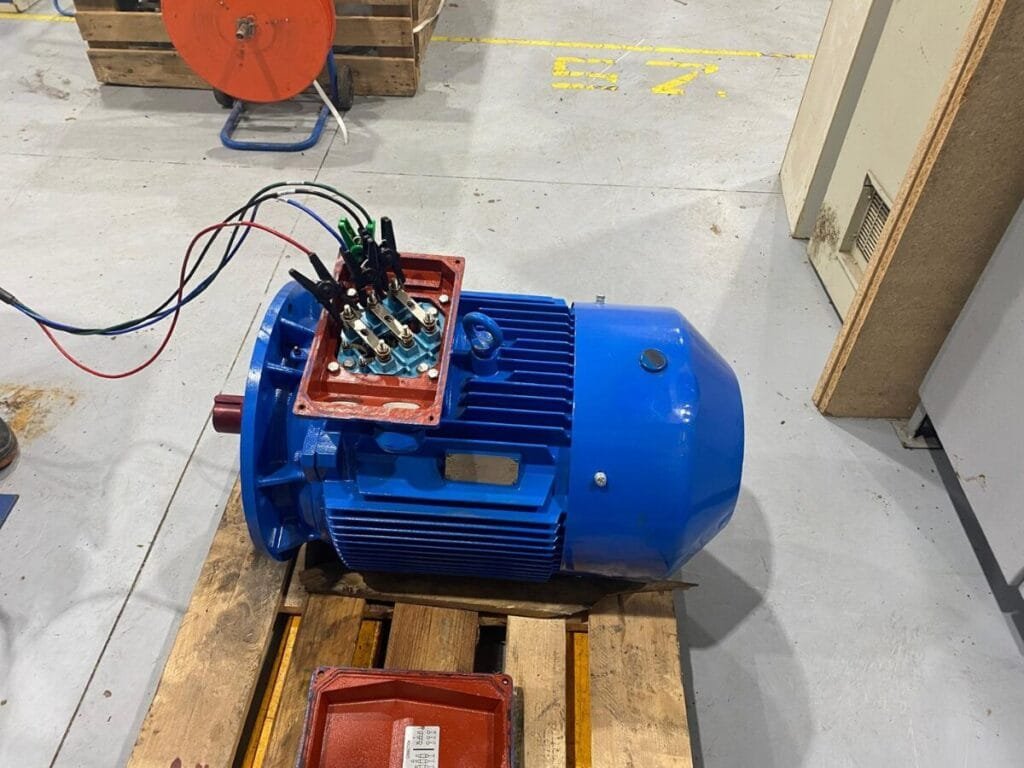
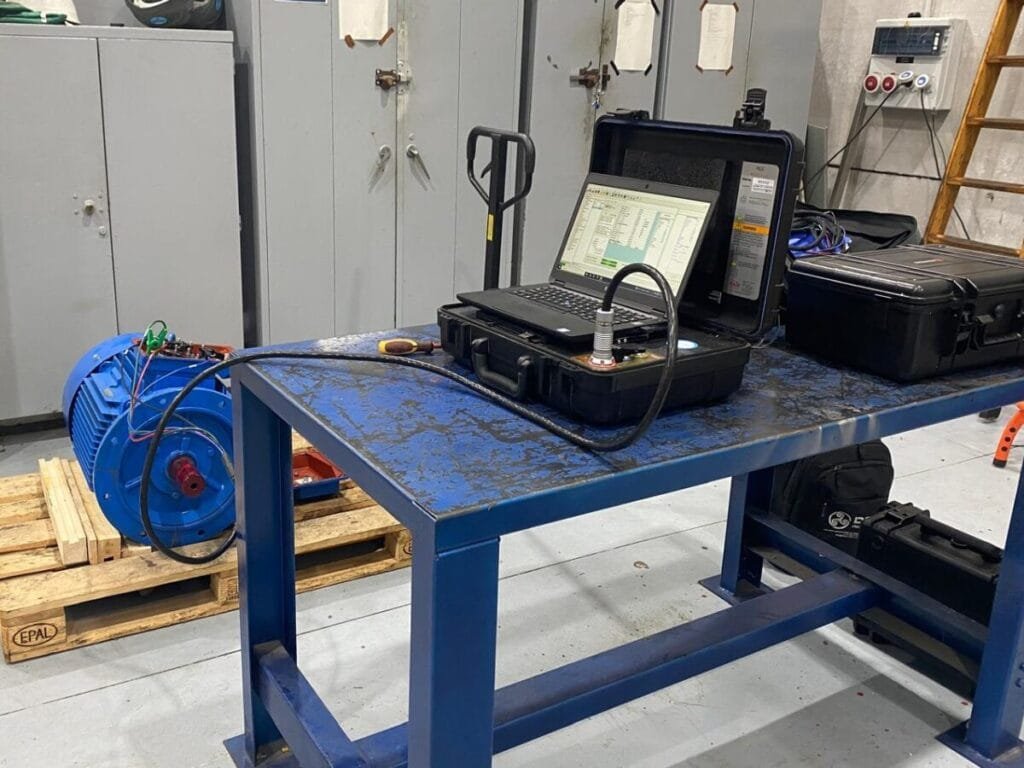
MCA Electrical Analysis (Motor Circuit Analysis) is a diagnostic service used to assess the electrical condition of motors, generators and, where applicable, their power supply and drive circuit, combining off-line tests (equipment stopped) and, depending on criticality, correlation with on-line variables.
Its objective is to identify at an early stage insulation degradation, phase imbalances, stator defects, rotor defects, eccentricity, and problems associated with power quality or cabling.
Review of the asset and its criticality, phase-to-phase resistance and impedance tests, insulation-to-ground, indices such as PI (polarization index) and DAR (dielectric absorption ratio), trend analysis, correlation with operating conditions, and issuance of a report with diagnosis, risk priority and maintenance or intervention recommendations.
Service Objectives
✅ Detect insulation degradation early before it develops into winding short circuits or ground faults.
✅ Identify phase electrical imbalances that may increase temperature, current draw and electromagnetic stress.
✅ Differentiate whether the origin of the problem lies in the motor, the cabling, the power supply or the process.
✅ Prioritize interventions on critical assets according to technical risk, production impact and downtime cost.
✅ Reduce unexpected failures in motors, generators and VFD-driven trains.
✅ Improve decision-making regarding rewinding, repair, replacement or life extension.
What Problems Do We Detect?
Insulation-to-ground deterioration.
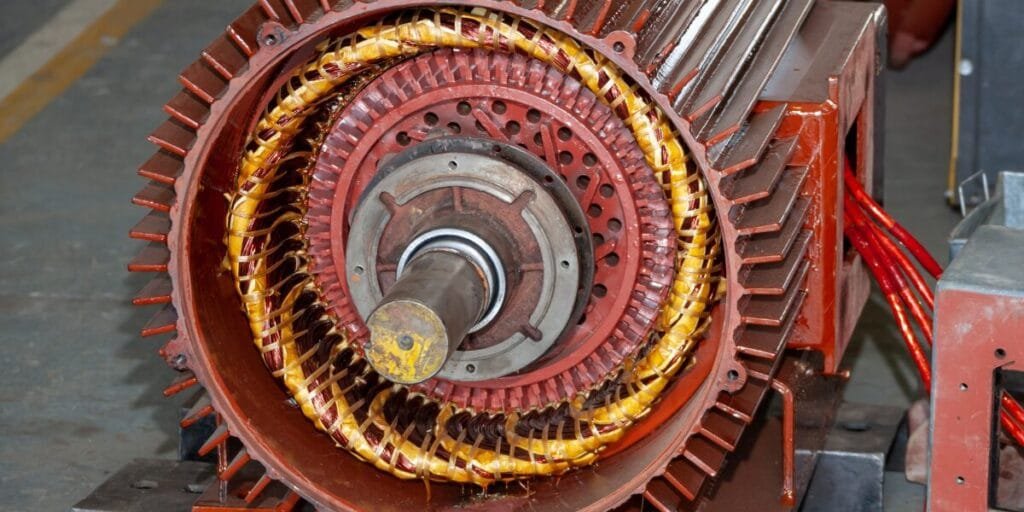
Early-stage turn-to-turn or phase-to-phase short circuits in the stator.
Resistance, inductance or impedance imbalance between phases.
Loose, sulphated or high-resistance connections at terminals, cables or splices.
Damaged rotor bars or cage defects in induction motors.
Eccentricity or air gap problems (non-uniform air gap).
Effects of poor power quality: voltage imbalance, harmonics or electrical overstress.
Degradation associated with moisture, contamination, temperature or winding ageing.
Electrical symptoms that eventually manifest as torque loss, overheating or nuisance trips.
What Type of Plant/Equipment Is Suitable for This Service?
Electrical rotating equipment:
- Low- and medium-voltage induction motors.
- Synchronous motors.
- Generators.
- Wound-rotor motors.
- DC motors in legacy installations.
Assets driven by VFDs or power electronics:
- Process pumps.
- Fans and exhaust fans.
- Compressors.
- Conveyor belts.
- Mixers and agitators.
- Cooling towers.

Continuous process and utilities environments:
- Power generation plants.
- Pulp and paper.
- Cement.
- Mining.
- Oil & Gas.
- Water, desalination and pumping.
Facilities with high operational criticality:
- Lines with redundant motors or duty/stand-by arrangements.
- Equipment with frequent starts.
- Assets with difficult access or high downtime cost.
- Repaired/rewound motors requiring condition validation.
Associated electrical systems:
- Power cables between switchboard, drive and motor.
- Terminal boxes and splices.
- Motor control centers (MCC).
- Power panels and protections associated with the asset.
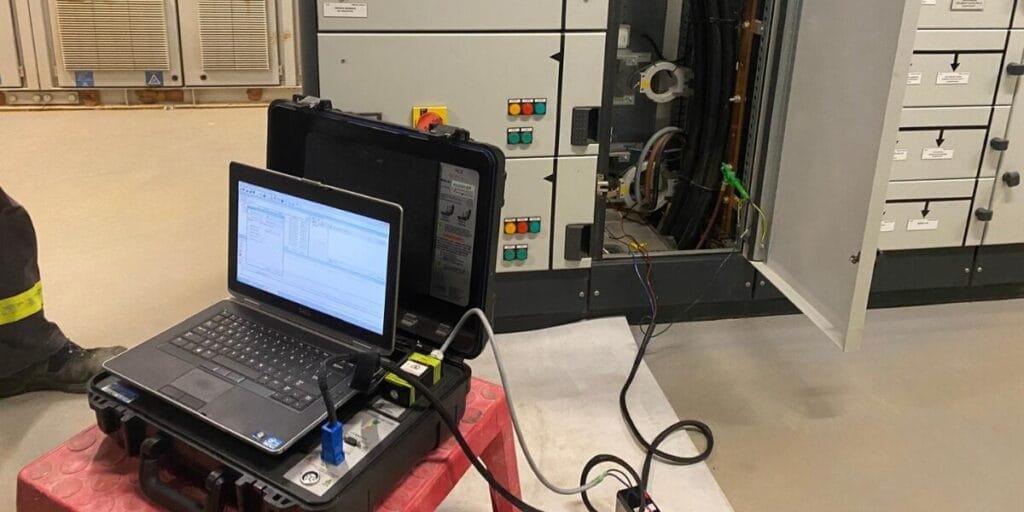
Case Study:
Explore a real-world case study of MCA electrical analysis and its application for detecting anomalies, improving equipment reliability, and supporting a more effective maintenance strategy.
Frequently Asked Questions
It depends on the scope. The most comprehensive part of MCA usually requires the equipment to be stopped and locked out for safety, although it can be complemented with load data to refine the diagnosis.
No. They are complementary techniques. MCA provides visibility into the electrical condition of the motor and its circuit; vibration analysis and thermography help confirm associated mechanical or thermal effects.
Above all, insulation failures, phase imbalances, stator/rotor defects, cabling problems and electrical symptoms that are not yet evident during operation.
It provides greater value in critical, repetitive or costly-to-stop assets, but it is also useful in medium-size motors when there is a failure history, frequent rewinds or doubts about the true root cause of the failure.
It depends on the type of defect and its progression. MCA can identify early asymmetries, but for very early turn-to-turn defects it is advisable to complement it with a surge test or other specific tests.
It has a direct influence. To interpret the results correctly, the measurements must be corrected or compared under thermally equivalent conditions, avoiding false imbalances caused by temperature differences.
It can provide indications, especially when the defect alters the electromagnetic response between phases. Even so, confirmation is usually strengthened with on-load analysis or complementary techniques.
The usual practice is to take a baseline measurement after the intervention and repeat it during commissioning or at the first maintenance window, in order to validate stability and build a trend.
Industrial Sectors