ONLINE PARTIAL DISCHARGES
Online Partial Discharges
Online partial discharge measurement is an energized diagnostic technique that allows the condition of stator winding insulation in medium- and high-voltage motors and generators to be assessed while the asset remains in service.
It detects electrical pulses associated with localized insulation defects before they develop into a major failure, helping prioritize interventions and reduce the risk of unplanned outages.
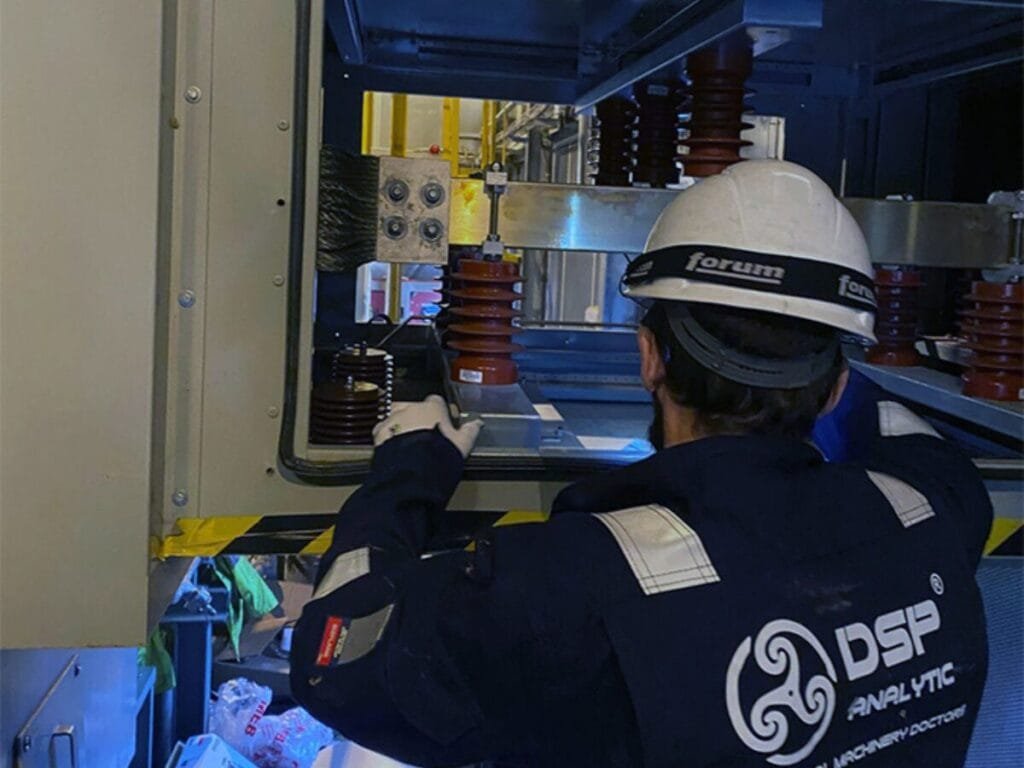
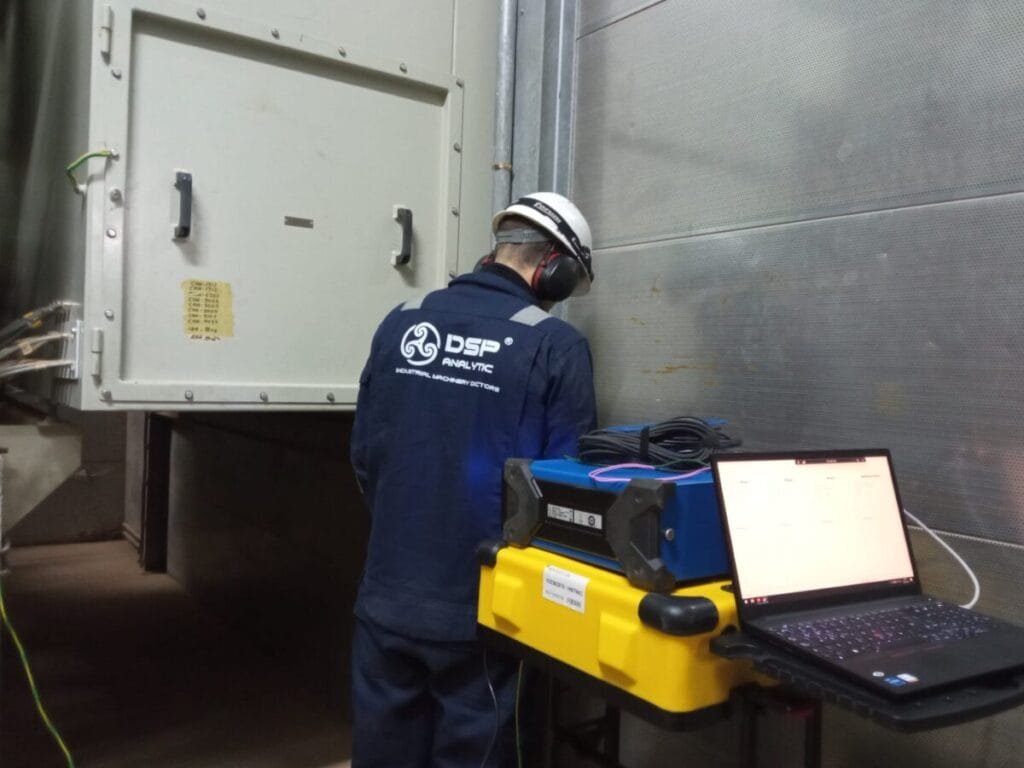
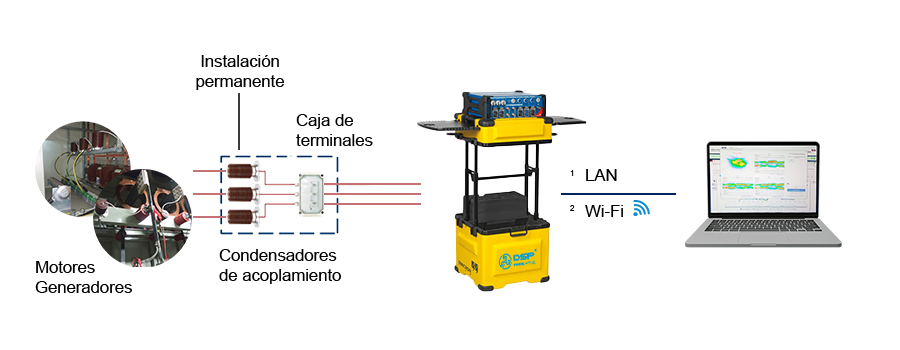
In practice, the service is delivered through a controlled acquisition and analysis campaign on the energized asset, following a structured methodology:
- Sensor Installation: proper and safe installation without affecting the system.
- Normalization/Calibration: verification process and simulation of partial discharge pulses.
- Measurement: the measurement is performed using specialized software.
- Analysis, diagnosis, and report preparation.
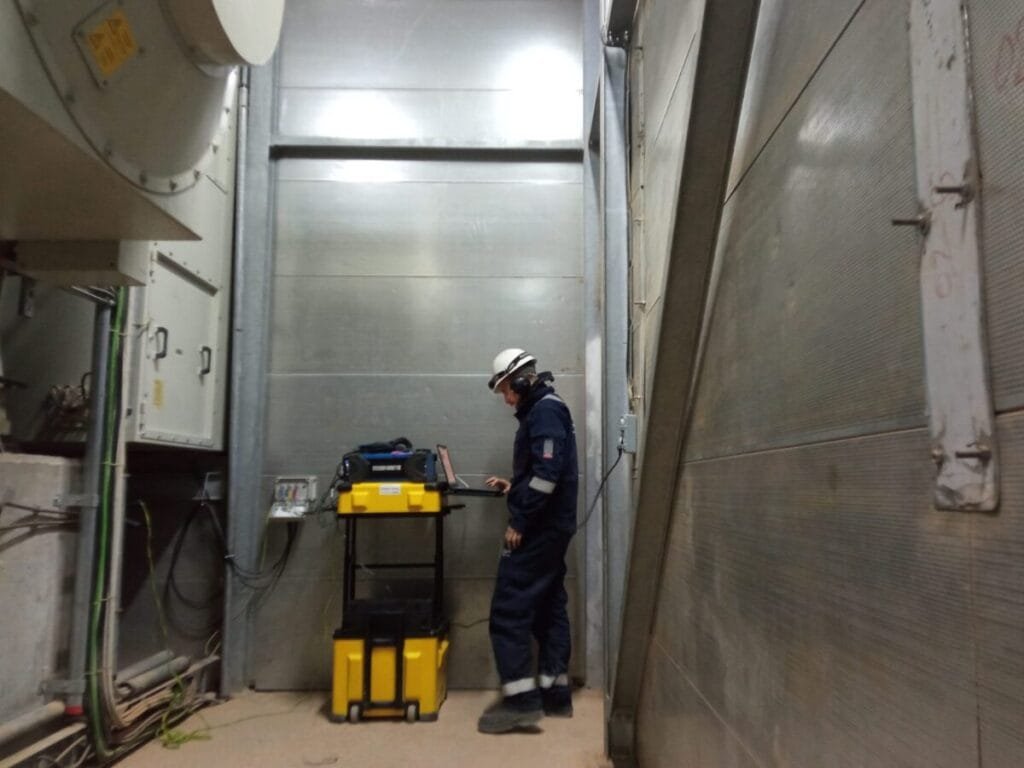


Online partial discharge measurements are not only sensitive to partial discharges, but also to various electric arcs and sparks.
When performing a condition assessment of rotating machines, this technique, partial discharge measurement, provides information on:
- Weaknesses of the insulation system
- Degradation processes
- Maintenance measures and service intervals
Service Objectives
✅ Detect localized stator insulation degradation at an early stage.
✅ Prioritize interventions on critical motors and generators based on actual risk and trend.
✅ Reduce the probability of unplanned dielectric failure and forced outage.
✅ Support maintenance, rewinding, internal inspection, or complementary offline testing decisions.
✅ Assess defect progression without removing the equipment from service at every inspection.
✅ Improve operational safety and the planning of spare parts, outage windows, and maintenance budget.
What Problems Do We Detect?
Partial discharge activity associated with voids, cavities, or internal defects in the main insulation.
Slot discharges caused by deterioration of the semiconductive protection or poor coil support.
End-winding discharges caused by contamination, moisture, conductive dirt, or localized electrical stress.
Effects of thermal aging, mechanical vibration, and load cycles on the insulation system.
Progressive degradation after rewinds, repairs, or manufacturing or impregnation deficiencies.
Risk of surface tracking or corona in areas of high electrical stress.
Insulation deterioration that does not yet generate visible symptoms in vibration, temperature, or process variables.
Abnormal increase in activity under certain load, temperature, or voltage operating conditions.
Possible electrical phenomena that require discrimination against noise, sparking, or environmental interference.
Need to confirm whether an asset can remain in service, whether its monitoring should be intensified, or whether an outage and internal inspection should be scheduled.
Regulations
UNE – EN IEC 60034-27 Rotating Electrical Machines
The standard establishes guidelines for assessing and measuring PD partial discharges (offline and online) that can occur in the insulation of stator windings of rotating electrical machines.
UNE-EN IEC 60034-27-1 Measurements of offline partial discharges in the stator winding insulation of rotating electrical machines.
UNE-EN IEC 60034-27-2 Online partial discharge measurements on the stator winding insulation of rotating electrical machines.

What Type of Plant/Equipment Is Suitable for This Service?
Medium- and high-voltage rotating electrical machines: motors and generators, especially those with form-wound stator windings and high operational criticality.
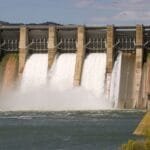
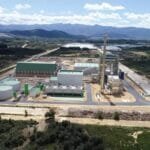
Power generation: turbogenerators, hydro generators, cogeneration generators, biomass, combined-cycle, and concentrated solar power plants.
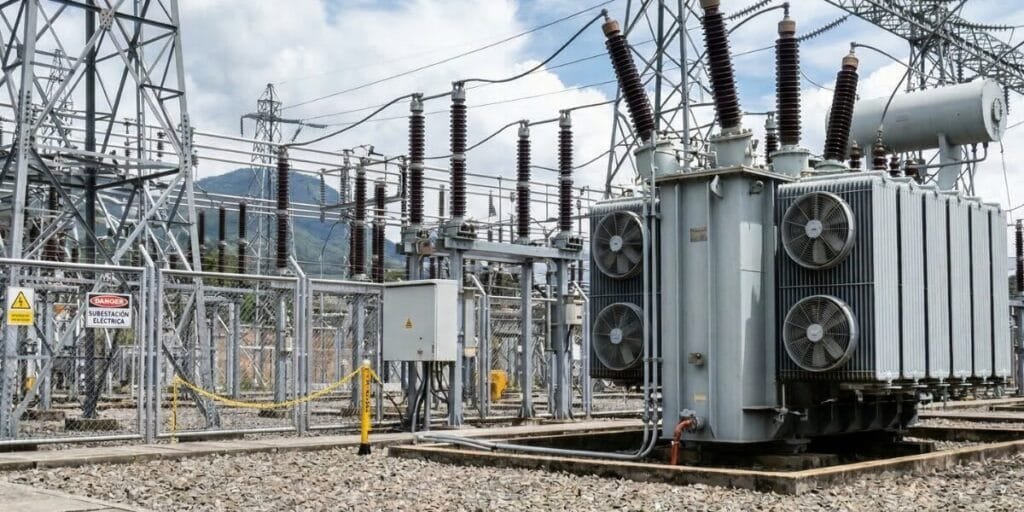
Critical process motors: main pumps, compressors, fans, blowers, exhausters, mills, and large electric drives.
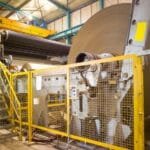
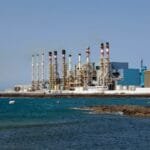
Utilities and industrial infrastructure: pumping stations, desalination plants, mining, metallurgy, paper, cement, oil & gas, and chemical plants.
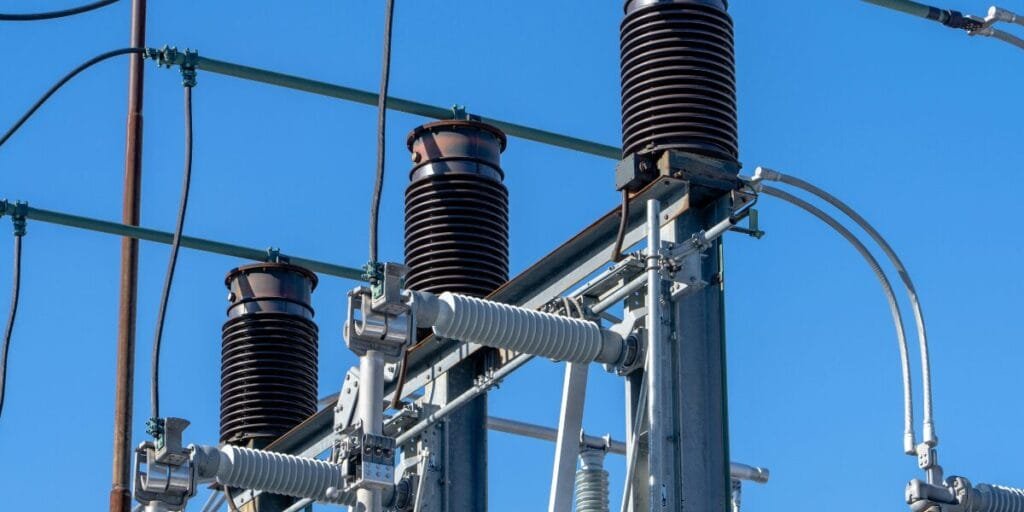
Assets with high consequence of failure: equipment that is difficult to replace, has long repair or rewinding lead times, and has a direct impact on production, safety, or compliance.
Electrical fleets with a predictive strategy: facilities integrating PD measurement with vibration analysis, thermography, electrical analysis, and offline dielectric testing.
Case Study:
Explore a real-world case study of partial discharge diagnostics and its impact on early fault detection, asset reliability, and maintenance decision-making.
Frequently Asked Questions
Yes. The main advantage of the online service is that it allows insulation condition to be assessed while the asset is operating, always under safe conditions and by qualified personnel.
Not necessarily. Online measurement is very useful for monitoring and prioritization, while offline tests may be necessary to expand the diagnosis or confirm the scope of an intervention.
Primarily medium- and high-voltage motors and generators, especially those that are critical to production or have a high cost of failure.
A technical report including measurement results, diagnostic interpretation, severity assessment, observed limitations, and follow-up or intervention recommendations.
Through the use of appropriate sensors, normalization/calibration processes, signal filtering, pattern analysis, and comparison among phases and load conditions. The goal is to separate insulation-related activity from external interference in order to obtain a more reliable diagnosis.
The most influential variables include equipment load, applied voltage, temperature, cleanliness condition, humidity, connection configuration, and the asset history. Therefore, technical interpretation is not based solely on a single value, but also on trend, operating context, and signal repeatability.
Industrial Sectors