THERMOGRAPHY
Thermography
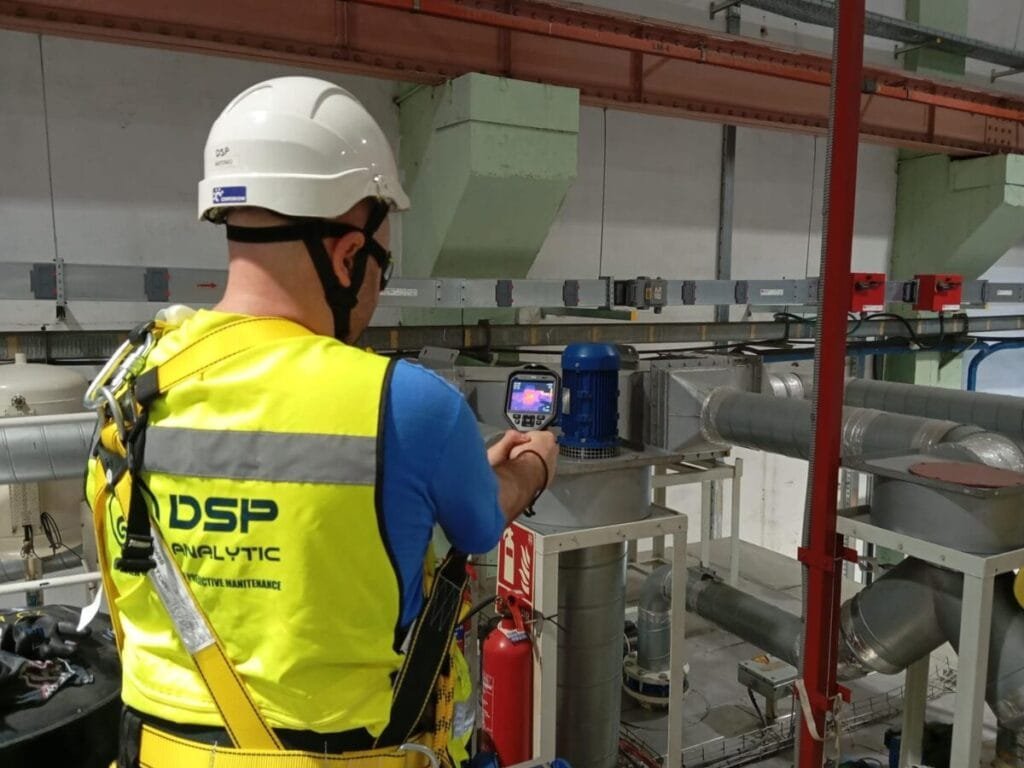
Thermography is a non-destructive inspection service that makes it possible to detect thermal anomalies without contact, identifying hot spots, cold losses, thermal imbalances, and other condition changes in industrial assets before they develop into failure. Applied within a predictive maintenance program, it helps prioritize interventions according to criticality, risk, and thermal severity.
We perform inspection route planning, capture radiometric images using a thermal camera, collect contextual data (load, ambient temperature, emissivity, distance, accessibility, and operating conditions), conduct comparative analysis with visible images, carry out technical assessment of the anomaly, and deliver a report including criticality, probable cause, and recommended action.
This service is suitable for inspections of electrical installations, electromechanical components, motors, bearings, process lines, concentrated solar power systems, and much more.
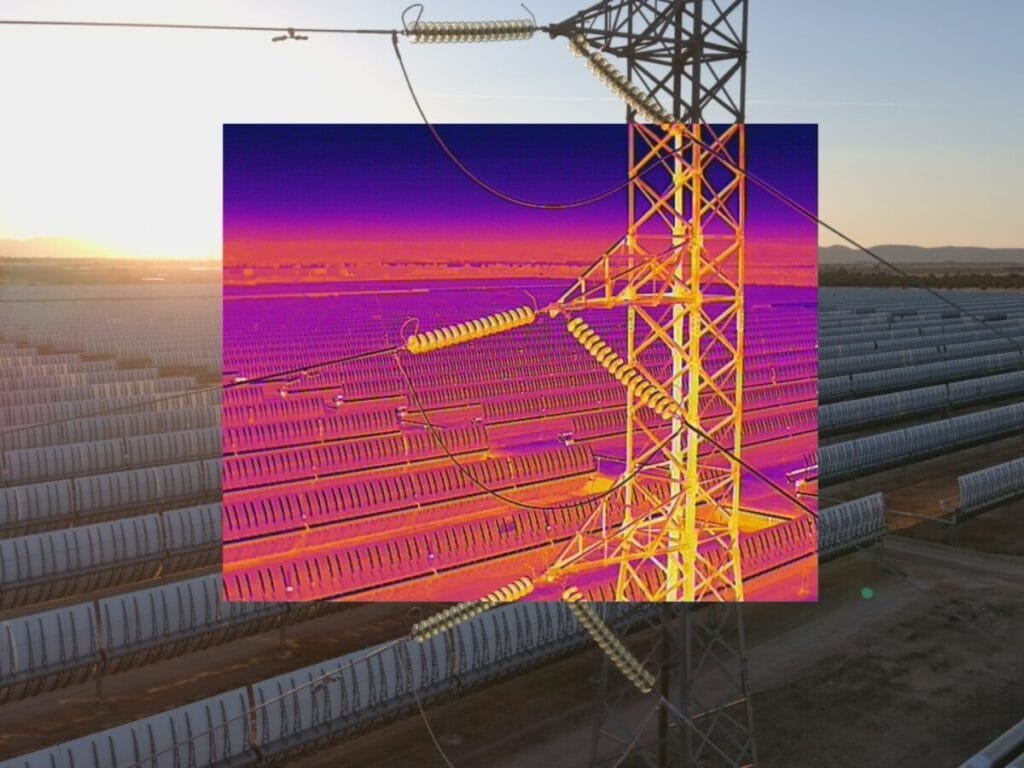
Service Objectives
✅ Detect abnormal overheating in electrical and mechanical equipment before a breakdown occurs.
✅ Reduce the risk of unplanned shutdowns, fire, secondary damage, or production loss.
✅ Improve safety in maintenance decision-making, especially for energized assets or those with difficult access.
✅ Prioritize work orders according to actual criticality and not only by schedule.
✅ Verify the quality of repairs, tightening, connections, insulation, or load conditions.
✅ Generate technical traceability for internal audits, compliance, and continuous improvement of the predictive maintenance plan.
What Problems Do We Detect?
Loose, sulfated, or high-contact-resistance electrical connections.
Overload or thermal imbalance in switchboards, busbars, circuit breakers, fuses, and disconnectors.
Hot spots in motors and generators associated with poor ventilation, electrical imbalance, or degraded insulation.
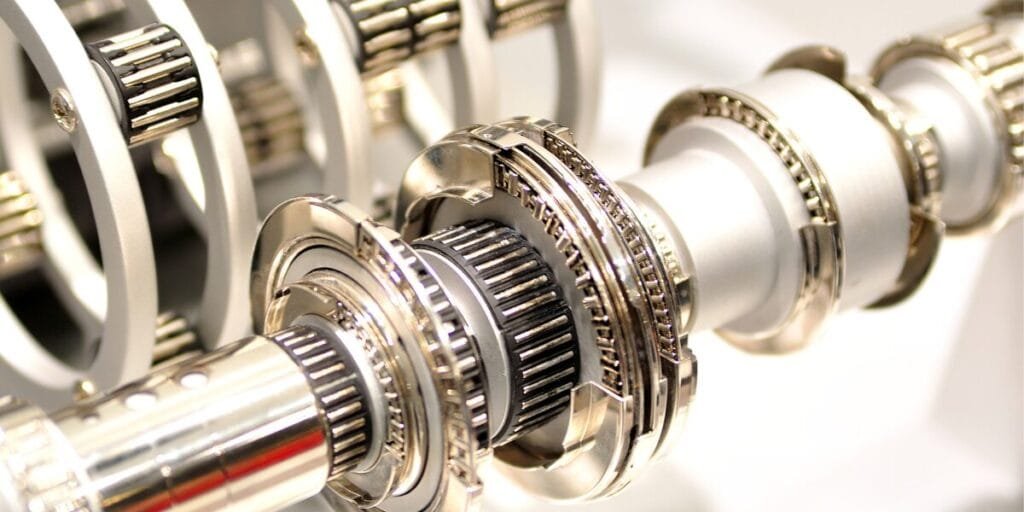
Abnormal heating in bearings, couplings, or gearboxes due to friction, poor lubrication, or misalignment.
Internal or external rubbing in pulleys, belts, fans, and rotating trains.
Thermal losses in furnaces, piping, valves, heat exchangers, steam tracing, or insulated surfaces.
Cold losses or insulation problems in chambers, HVAC circuits, refrigeration, or industrial climate control systems.
Anomalies in high-voltage installations: connectors, insulators, terminations, busbars, or connection points.
Defects in strings, junction boxes, or modules in solar environments when there is a significant thermal differential.
Moisture, thermal bridges, or deterioration of technical enclosures affecting process, efficiency, or safety.
What Type of Plant/Equipment Is Suitable for This Service?
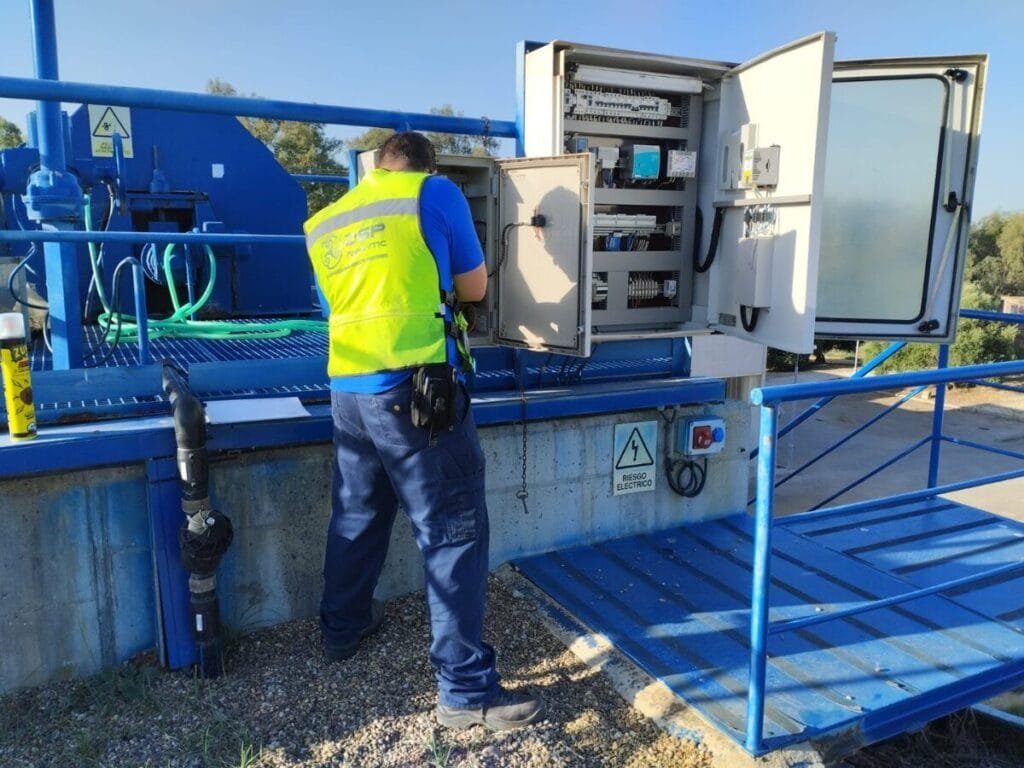
Low-voltage electrical equipment: main switchboards, MCCs, drives, contactors, fuses, circuit breakers, busbars, and terminals.
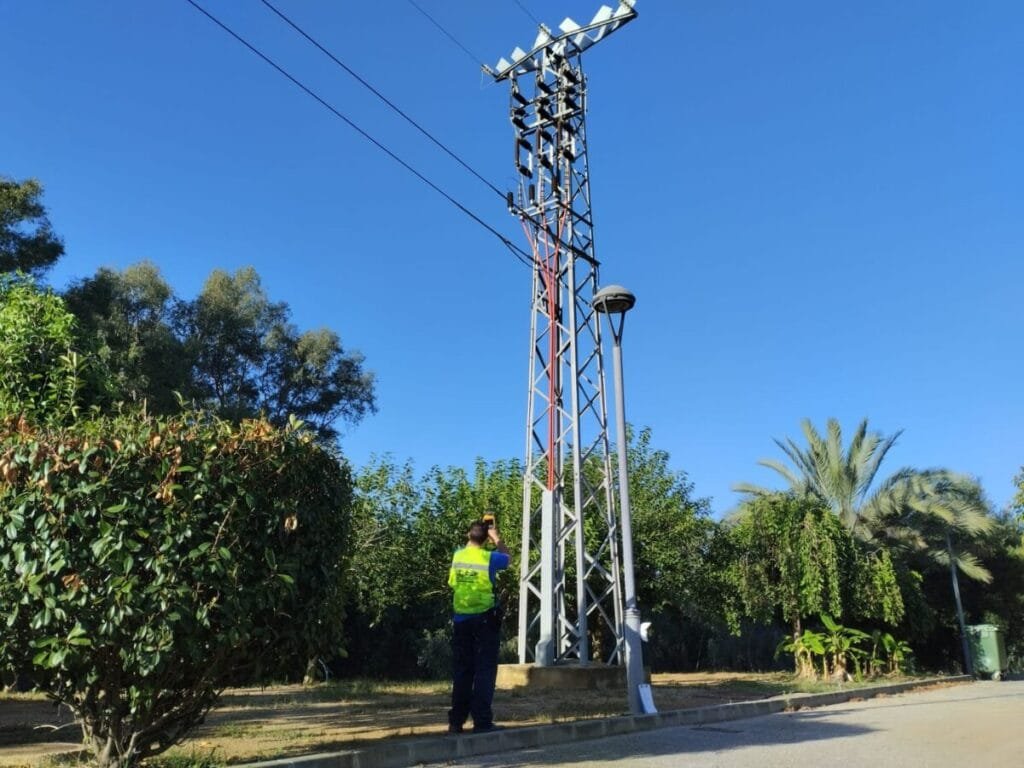
High-voltage electrical equipment: cells, disconnectors, transformers, terminations, connections, insulators, substations, and transformer stations.
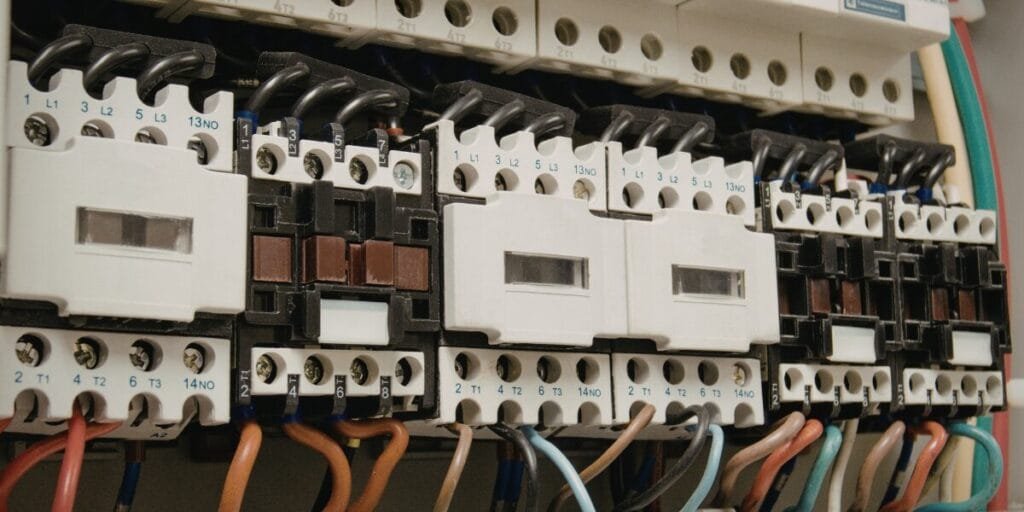
Rotating machinery: motors, generators, pumps, fans, compressors, gearboxes, turbines, and coupled trains.
Auxiliary mechanical components: bearings, plummer blocks, couplings, belts, pulleys, chains, and friction points.
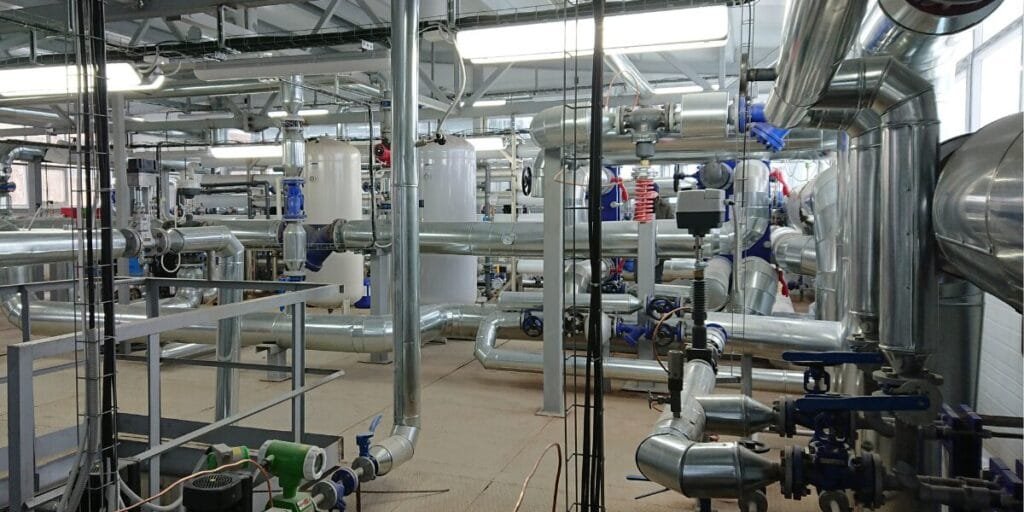
Process and thermal equipment: furnaces, heat exchangers, valves, piping, steam lines, refractories, tanks, and heat tracing.
Utilities and HVAC: boilers, HVAC, refrigeration circuits, cold rooms, cooling towers, and hot/cold water networks.
Case Study:
Explore a real-world example of thermal imaging applied to industrial settings and its value in detecting anomalies, improving reliability, and supporting more accurate maintenance decisions.
Frequently Asked Questions
Normally not. In fact, the technique provides more value with the equipment in operation and under representative load, provided that the inspection can be carried out safely and under the corresponding procedure.
No. It works very well as a rapid screening and prioritization technique, but it is usually complemented by vibration analysis, ultrasound, electrical analysis, or visual inspection to confirm root cause and severity. DSP’s own portfolio places it alongside other complementary predictive techniques.
Emissivity, reflectance, distance, viewing angle, the equipment’s actual load, ventilation, and the analyst’s experience. That is why it is advisable to work with a procedure, operating context, and consistent interpretation criteria.
Yes, but only with prior risk assessment, a specific procedure, and equipment/resources compatible with the environment. In classified areas and in high-voltage environments, the ATEX and electrical safety framework becomes decisive.
It depends on the asset’s criticality, its operating regime, and incident history. In critical electrical installations or assets with high operating load, a quarterly, semi-annual, or annual frequency is usually recommended. The important thing is to define the periodicity according to risk, not to apply the same frequency across the entire plant.
A report is usually delivered with thermal and visible images, identification of the inspected asset, description of the anomaly, criticality, possible cause, recommended action, and intervention priority. This enables the maintenance team to turn the inspection into concrete, traceable actions.
Industrial Sectors