DYNAMIC BALANCING
Dynamic Balancing
Dynamic balancing is a precision maintenance service aimed at correcting the unbalance of rotors and rotating assemblies in order to reduce vibration, mechanical stresses, and structural fatigue during operation.
In industrial plants, it is typically applied to fans, pumps, blowers, motor rotors, turbines, couplings, pulleys, rollers, and other equipment where an uneven mass distribution generates undesirable dynamic loads.
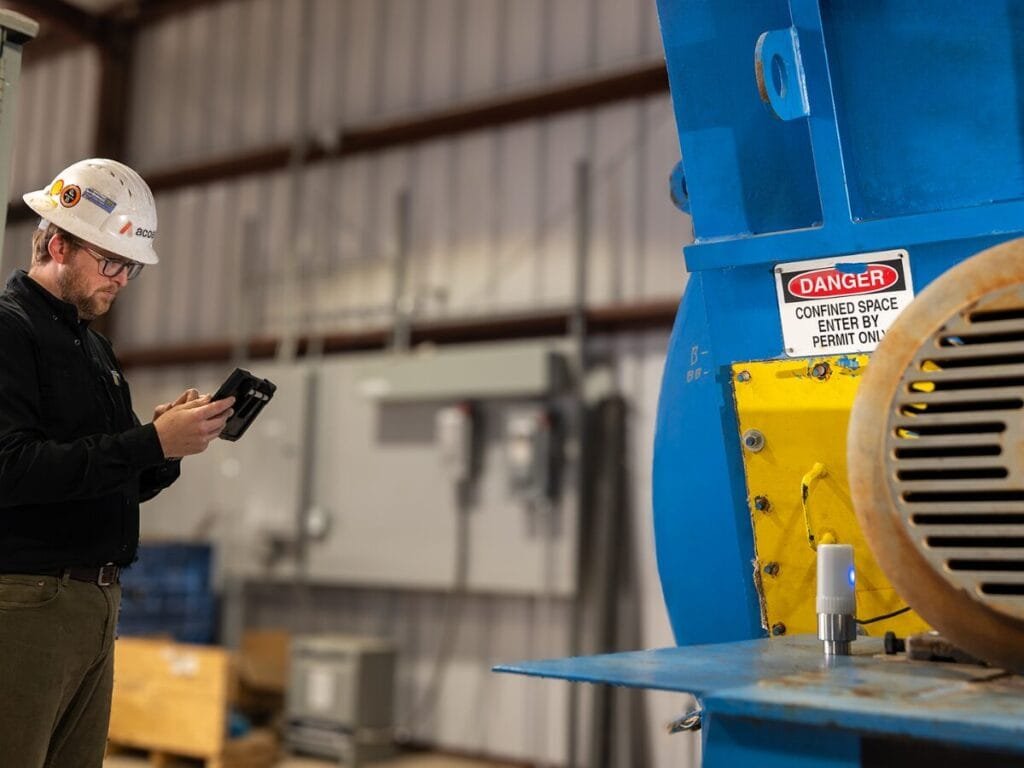
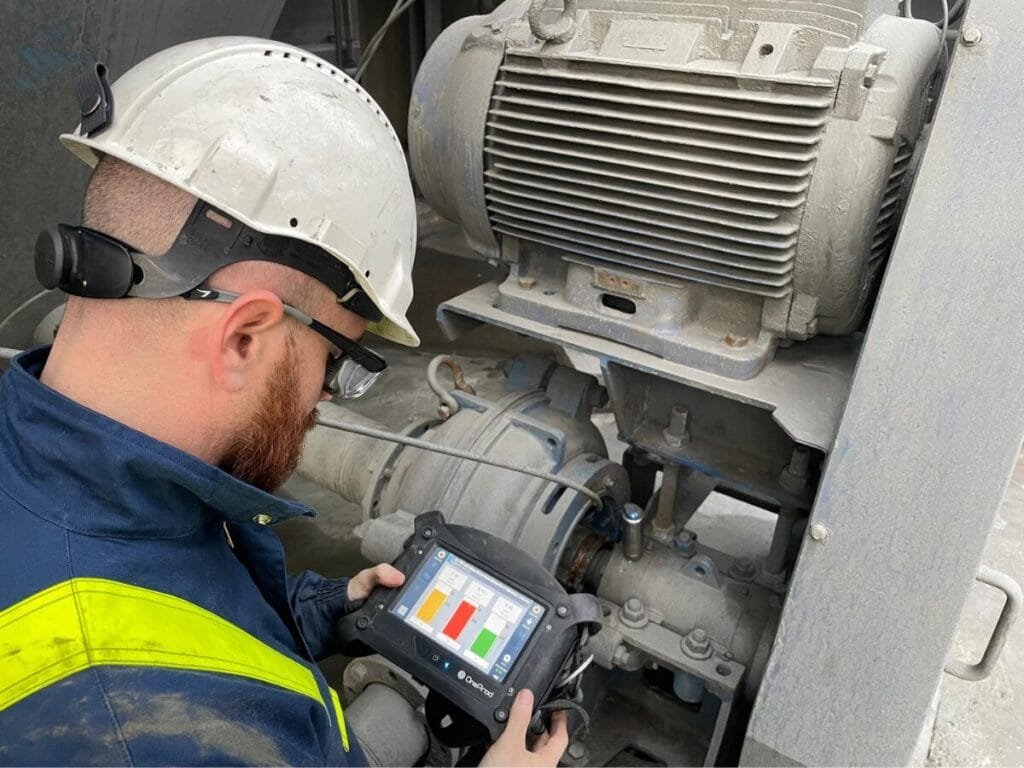
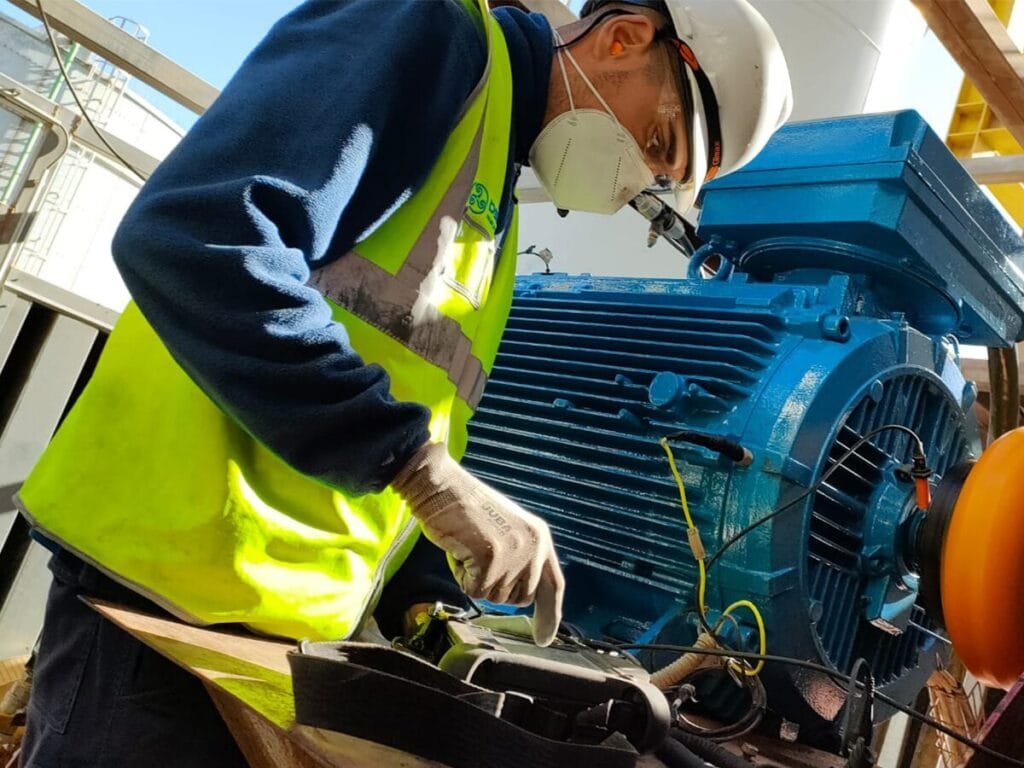
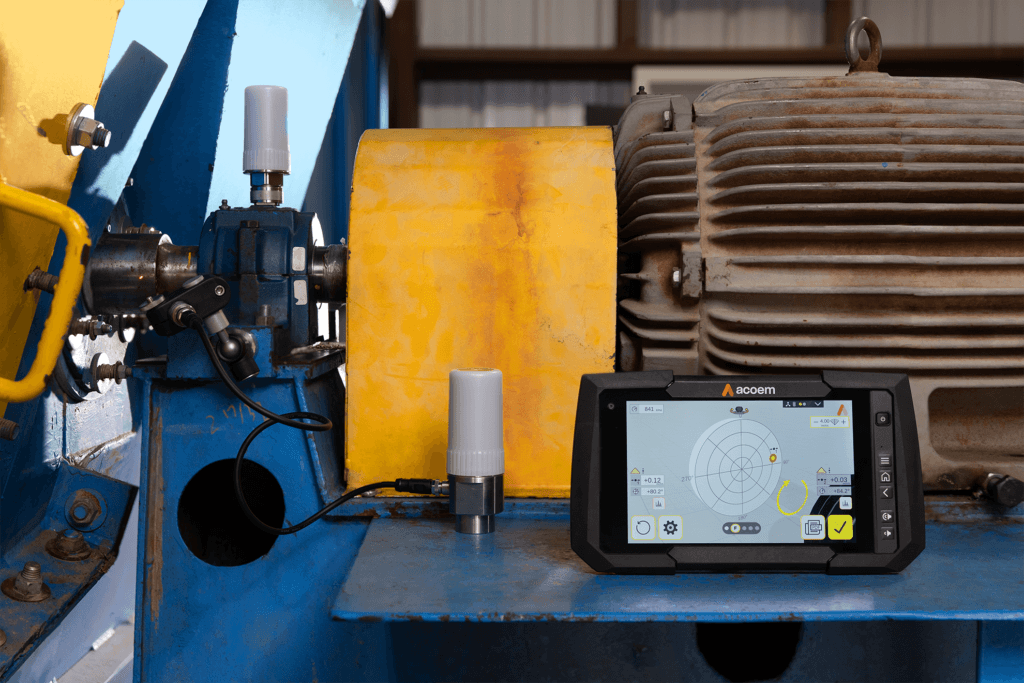
We perform vibration and phase data acquisition, verification of prior mechanical conditions, calculation of correction weight and angle, execution of corrections in one or more planes, and final validation through new measurements.
Service Objectives
✅ Reduce vibration levels and dynamic loading on the rotor, bearings, supports, and foundation.
✅ Minimize the risk of premature failure in bearings, mechanical seals, couplings, and power transmission elements.
✅ Improve the equipment’s operating stability under nominal operating conditions, during startup, or under load variation.
✅ Reduce unplanned shutdowns and costs associated with repetitive failures or premature replacements.
✅ Verify that the rotor remains within balancing tolerances appropriate for its criticality and operating speed.
✅ Provide technical traceability for maintenance, internal auditing, and reliability decision-making.
What Problems Do We Detect?
Mass unbalance in one or more correction planes.
High vibration at 1X running speed, stable or increasing with load.
Bearing overload and reduced service life.
Loosening of bolting, baseplates, brackets, or fastening elements due to continuous excitation.
Accelerated deterioration of mechanical seals, shaft seals, and couplings.
Fatigue in supports, frames, connected piping, or foundations.
Higher-than-expected energy consumption caused by inefficient mechanical operation.
Process quality issues in equipment with a direct impact on flow rate, uniformity, or finish, such as fans, rollers, or spindles.
Resonances or vibration amplification when unbalance interacts with unfavorable structural stiffness conditions.
Cases in which unbalance is not the only root cause and coexists with misalignment, looseness, a bent shaft, or aerodynamic/hydraulic defects.
What Type of Plant/Equipment Is Suitable for This Service?
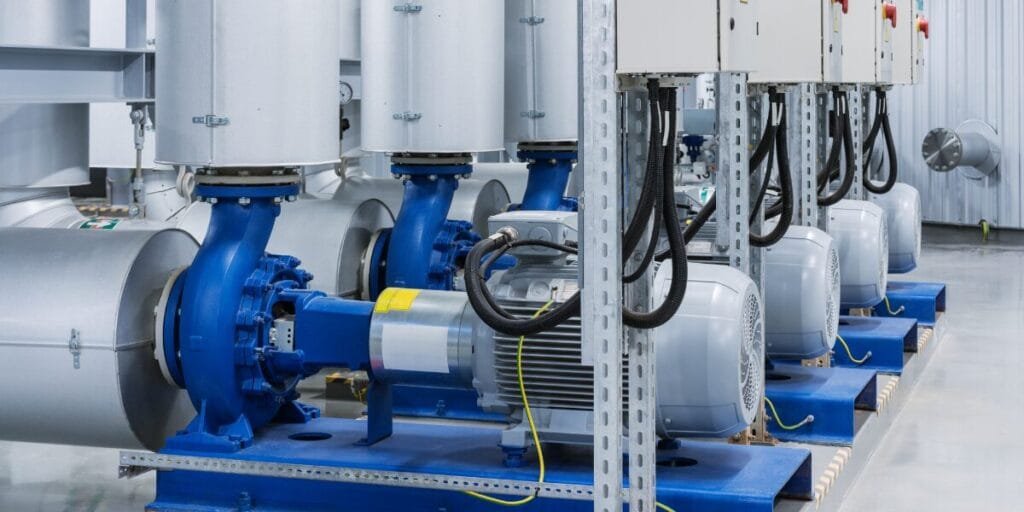
Process rotating equipment: centrifugal pumps, fans, blowers, exhausters, compressors, agitators, mixers, separators, centrifuges.
Power generation: turbines, generators, auxiliary rotating trains, draft fans, boiler feed pumps, and balance-of-plant equipment.
Mechanical power transmission: pulleys, couplings, intermediate shafts, gearbox rotors, cardan shafts, and assemblies with belts or indirect drive systems.
Pulp and paper, metallurgy, and continuous manufacturing industries: rollers, cylinders, spindles, drums, winders, process ventilation, and auxiliary equipment.
Utilities and plant auxiliaries: cooling towers, industrial HVAC, service pumps, general ventilation, motor-pump units, and standby equipment.
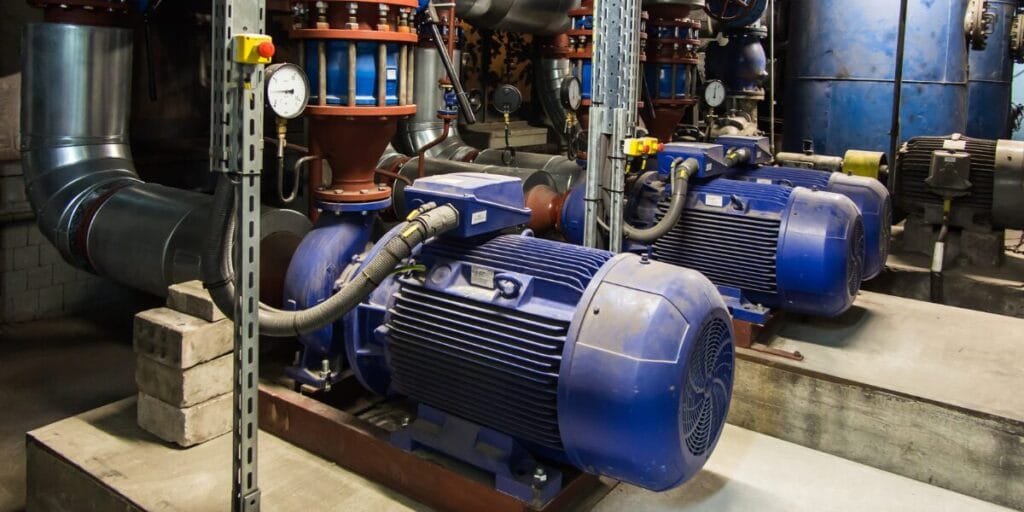
Critical or high-inertia assets: medium and large rotors where in-situ balancing adds value by avoiding disassembly, transport, and reassembly risk..
Typical industries: energy, cement, mining, paper, food and beverage, oil and gas, shipbuilding, water, automotive, and multi-process plants.

Case Study:
Learn how dynamic balancing helps reduce vibrations, improve stability, and extend the service life of equipment.
Frequently Asked Questions
Not always. It depends on the asset, the risk level, and the intervention method. Many cases are resolved in situ with a short shutdown or within a scheduled outage window; for highly critical equipment, the work plan must be coordinated with Operations and Safety.
No. It corrects the component associated with unbalance, but it does not replace the diagnosis of other causes such as misalignment, looseness, resonance, cavitation, bearing defects, or electrical issues. That is why it is advisable to measure both before and after the intervention.
Shop balancing offers a high degree of control when the rotor can be disassembled; in-situ balancing adds value when disassembly involves high cost, risk, or equipment unavailability. The choice depends on rotor size, accessibility, criticality, and safety conditions.
It is validated by comparing vibration levels before and after the intervention, operating stability, and compliance with balancing tolerances applicable to the rotor and the machine. In addition, a technical record of measurements, corrections, and the final equipment condition must be kept.
It depends on the rotor geometry, its length-to-diameter ratio, running speed, and how the mass is distributed. For rigid and narrow rotors, single-plane balancing may be sufficient, whereas longer rotors or those with more complex dynamic behavior usually require correction in two planes to reduce both unbalance forces and moments. The decision should be supported by amplitude and phase measurements, as well as the criteria of the ISO 21940 series.
Before balancing, it is advisable to confirm that there is no significant mechanical looseness, severe misalignment, bent shaft, dominant structural resonances, advanced bearing damage, variable dirt buildup on the rotor, or process instability. It is also important that the machine operates under conditions that are as stable as possible in terms of load and speed. If these conditions are not reviewed, balancing may correct only part of the problem or lead to poorly repeatable results.
Industrial Sectors